Time Management for Home-Based Workers
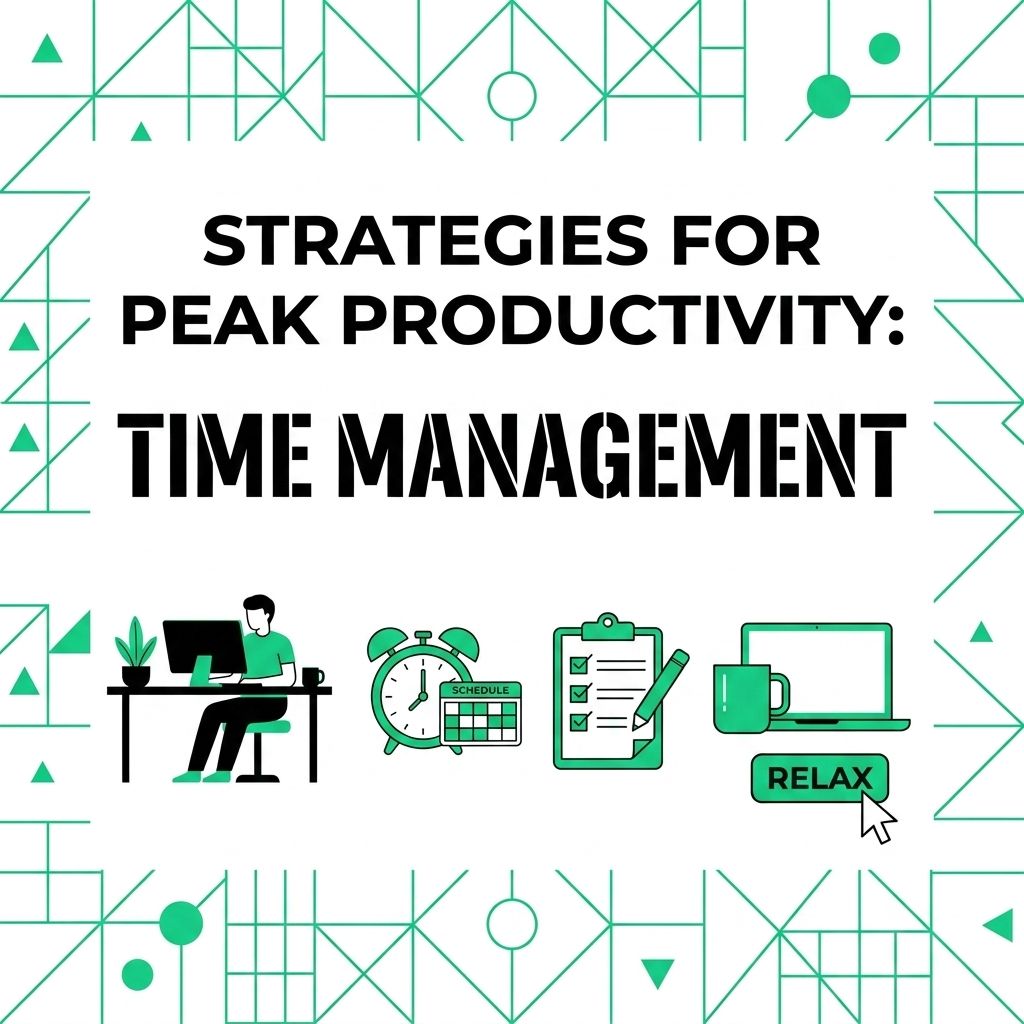
Home-based work can make time feel loose. Nobody sees when you start. Nobody sees when a small admin task turns into an hour. That freedom is useful only if you build a simple system around it.
The BLS reported that 35% of employed people did some or all of their work at home on days they worked in 2025. With that many people doing at least some work from home, time management is not a side issue. It is part of the job.
Organize the Home Office
Time gets wasted when your workspace makes every task harder. Give important tools, files, and notes a fixed place.
The End-of-Day Reset
Tomorrow starts better when today ends cleanly.
- Clear your desk before you stop working.
- Put active files and notes where you can find them.
- Write the first task for the next morning before you shut down.
The reset should take a few minutes. If it takes much longer, your system is probably too complicated.
Set Achievable Action Steps
Big goals are useful, but they do not tell you what to do at 9 a.m. Break them into the next visible action.
Use a daily list built around actions you can actually finish.
Goals Compared With Action Steps
| Business Goal | Daily Action Step |
|---|---|
| Launch a new marketing campaign | Write three email subject lines |
| Secure five new clients | Send outreach messages to ten prospects |
| Finalize annual taxes | Gather and sort January expense receipts |
Reduce Environmental Distractions
Protect your attention before the day gets noisy. Decide when you check messages, when you do deep work, and when household tasks are allowed to happen.
First, set blocks for email, social media, and admin work. Second, tell the people around you when you are unavailable. Third, keep your phone out of reach when the work requires full attention.
The Distraction Log
If interruptions keep happening, track them for a week.
- Record the event. Write down what interrupted you and when.
- Estimate the time loss. Include the time it took to get back into the task.
- Identify the source. Look for patterns you can actually fix.
A distraction log is not about guilt. It gives you evidence, and evidence makes the fix clearer.
Delegate or Delete Low-Value Tasks
Home-based workers often wear too many hats. Some tasks matter. Some tasks only feel productive because they keep you busy.
Track your time for two weeks. Then sort recurring tasks into three groups:
- Keep: Work that directly supports income, clients, or core responsibilities.
- Delegate: Work someone else can do better or faster.
- Delete: Work that does not support a meaningful goal.
Better time management starts with fewer vague tasks. Keep the work visible, protect your attention, and spend your best hours on the tasks that move the business forward.
For a related Working Nomads article, read how to demonstrate added value as a remote employee for stronger interviews before you decide your next step.
What to Read Next
Read the top 10 it jobs if you want a related next step on career growth.
Use how to succeed in the remote hiring process for remote teams when you need more context before your next decision.
Publishing Articles or Documentation? Remove AI Slop.
Remove repetitive AI filler phrases, robotic patterns, and AI slop to make your content human, engaging, and original.
Applying for Executive Virtual Assistant Roles?
Boost your callback rate with our 100% free ATS-optimized resume template tailored specifically for remote Executive Virtual Assistant positions.
Remote Executive Virtual Assistant Resume Template
Engineered for high-performing assistants managing executive inboxes, calendars across time zones, and confidential business ops.
ATS Keyword Scanner
Check your resume against remote job descriptions to find missing keywords and boost your score.
Tailored Cover Letter
Generate a personalized, high-converting remote cover letter emphasizing async communication.