How to Succeed in the Remote Hiring Process
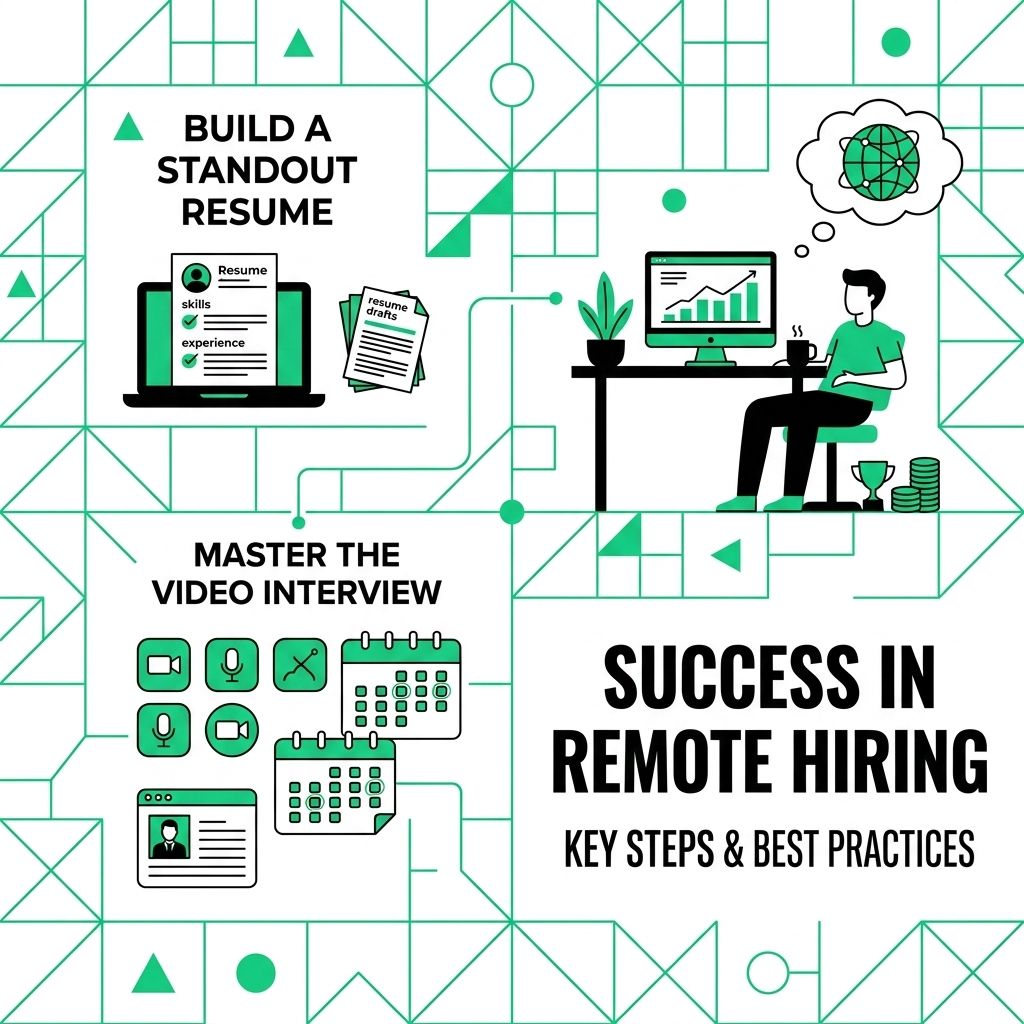
Remote hiring can move fast, but it still rewards preparation. You need a focused application, a quiet interview setup, and clear answers about how you work without someone sitting nearby.
For a related Working Nomads article, read why your attitude dictates your career trajectory examples before you decide your next step.
Use the process to show trust. Remote employers want skill, but they also want communication, follow-through, and proof that you can manage your day.
Read the Job Posting Carefully
Start with the job post before you touch your resume. Look for required skills, timezone expectations, location limits, travel needs, and the tools the team uses.
Remote does not always mean anywhere. Some companies hire only in certain countries, states, or time zones. Save yourself time by checking those details first.
- Check location rules Confirm where the company can legally hire
- Match the must-have skills Apply when your experience fits the core requirements
- Notice remote habits Look for async work, written communication, and meeting expectations
Submit a Focused Application
Your resume should make the match obvious. Put the most relevant experience near the top and use the same language the job post uses when it fits honestly.
CareerOneStop recommends tailoring your resume to the job so employers can quickly see the connection between your background and the role. That advice matters even more when a remote hiring team may review hundreds of applications.
Source: CareerOneStop resume writing guidance
Prepare Your Interview Setup
Your interview setup does not need to look fancy. It needs to work.
Test your camera, microphone, internet, and meeting link before the call. Find a quiet spot. Keep your resume, notes, questions, and job post nearby. Join a few minutes early so you are not solving tech issues while the interviewer waits.
Show How You Work Remotely
Remote interviewers listen for more than technical skill. They want to know how you communicate, plan your day, ask for help, and handle unclear tasks.
Use specific examples. Talk about a time you worked async, wrote clear updates, handled a timezone gap, or kept a project moving without constant supervision.
Handle Tests and Work Samples Carefully
Some remote roles use take-home tasks, writing samples, coding tests, or short paid projects.
Ask about scope before you start. How long should it take? What should you submit? Who will review it? A good employer should be able to answer those questions clearly.
Review the Offer Before You Accept
Look beyond salary. Remote offers can include equipment support, coworking stipends, health benefits, paid time off, location rules, and travel expectations.
Ask how performance reviews work. Ask whether remote employees get promoted. Ask how the team handles time zones. Those answers show what the job will feel like after the offer excitement fades.
Compare Remote Hiring Habits
| Hiring stage | Weak approach | Strong approach |
|---|---|---|
| Job search | Apply to every remote title | Check location, skills, and timezone rules |
| Resume | Send one generic version | Tailor the resume to the role |
| Interview | Hope the tech works | Test the setup before the call |
| Offer | Focus only on salary | Review benefits, equipment, and remote rules |
The remote hiring process gets easier when you prepare for the work style, not just the interview questions. Show the employer how you think, communicate, and follow through.
What to Read Next
Read chatgpt and the future of hiring if you want a related next step on career growth.
Use how to demonstrate added value as a remote employee checklist for work when you need more context before your next decision.
Publishing Articles or Documentation? Remove AI Slop.
Remove repetitive AI filler phrases, robotic patterns, and AI slop to make your content human, engaging, and original.
Applying for Executive Virtual Assistant Roles?
Boost your callback rate with our 100% free ATS-optimized resume template tailored specifically for remote Executive Virtual Assistant positions.
Remote Executive Virtual Assistant Resume Template
Engineered for high-performing assistants managing executive inboxes, calendars across time zones, and confidential business ops.
ATS Keyword Scanner
Check your resume against remote job descriptions to find missing keywords and boost your score.
Tailored Cover Letter
Generate a personalized, high-converting remote cover letter emphasizing async communication.