Plan Ahead and Research to Find the Job You Really Want
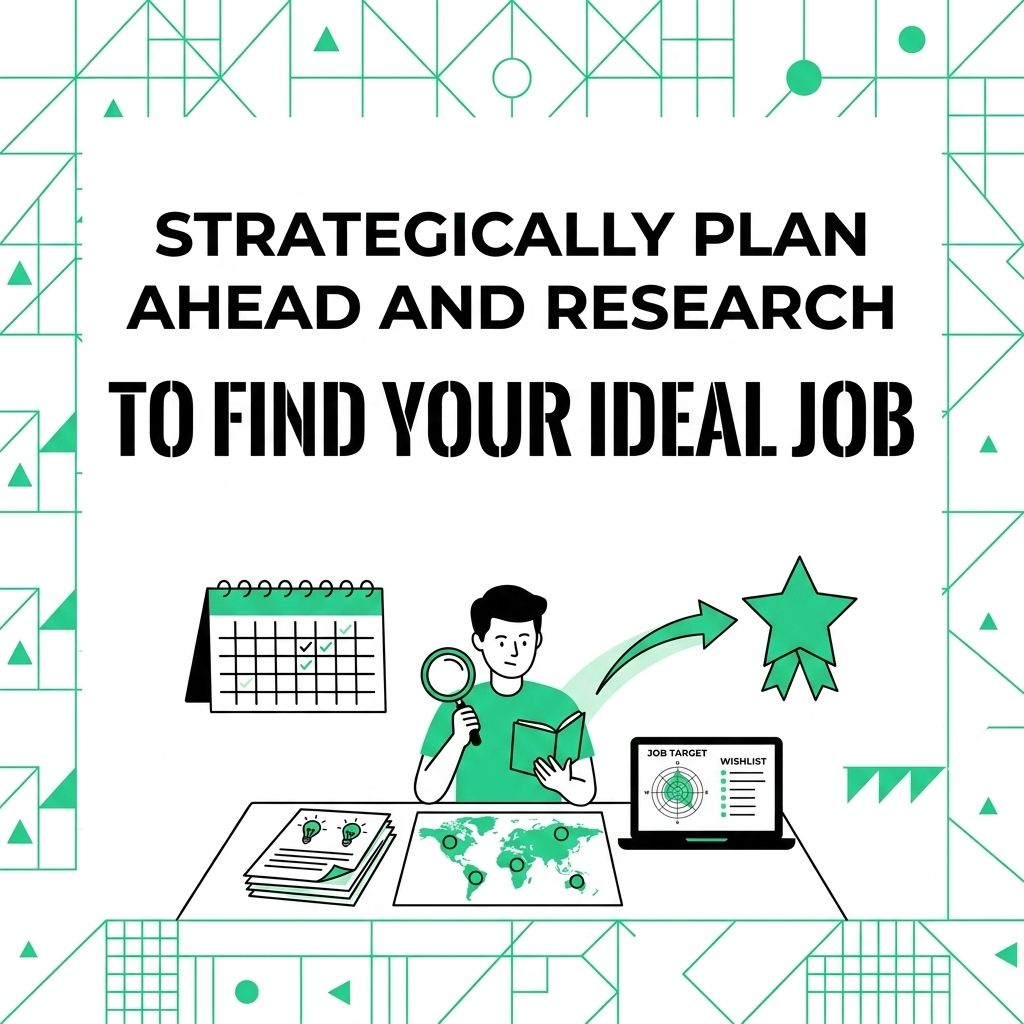
A better job search starts before you apply. If you only react to open postings, you end up chasing whatever is available instead of looking for work that fits your skills, energy, and goals.
CareerOneStop, sponsored by the U.S. Department of Labor, recommends that job seekers create a job search plan before applying. That planning step matters because it helps you choose roles, prepare documents, and research employers with more intention.
You do not need a perfect career map. You need enough direction to stop wasting time on jobs you already know are wrong for you.
Rebuild Your Professional Baseline
Job searching takes energy. Interviews, applications, follow-ups, and rejection all hit harder when you are exhausted or financially panicked.
- Set a sleep baseline. Protect enough rest before heavy application weeks.
- Keep light activity in the routine. Walk, stretch, or exercise in a way you can repeat.
- Review your finances. Know your bills, savings, and timeline before you leave a current role.
This is not about pretending everything is fine. It is about giving yourself enough stability to make better decisions.
Define Your Target Career Profile
Start with the work itself. A better title will not help much if the daily tasks drain you or the company setup clashes with how you work best.
Evaluate your habits before you build your target list.
- Know your working style. Decide if you do better with close teamwork, quiet independent work, or a mix.
- Identify your best hours. Notice when you do your clearest thinking.
- List your core skills. Focus on skills you can prove with examples.
- Grow your network. Join professional groups, attend events, or take courses that put you near people in your field.
The Job Profile Assessment
Use this framework before you apply so each job posting gets compared against the same criteria.
| Assessment Area | Input Strategy | Output Goal |
|---|---|---|
| **Personal accomplishment** | List what you want financially and professionally. | Clear targets for pay, growth, and responsibility. |
| **Daily tasks** | Write down the activities that keep you engaged. | A filter for job descriptions that fit your strengths. |
| **Dealbreakers** | Name the tasks or conditions you want to avoid. | A list of red flags for applications and interviews. |
| **Tenure expectations** | Estimate what you want from the next two to three years. | A more realistic timeline for your next move. |
Run Targeted Company Research
Blind applications can work, but they are rarely the best use of your energy. Research helps you apply where your skills and goals have a better chance of lining up.
The Research Process
- Identify targets. Use business publications, employer directories, and job boards to list companies in your field.
- Find smaller competitors. While researching large employers, note vendors, partners, and nearby companies that hire similar roles.
- Check reputation patterns. Read employee reviews carefully, but look for repeated themes instead of one angry review.
- Prepare interview notes. Bring specific knowledge about the company’s work, customers, and recent changes.
Job hunting feels less random when you know what you are looking for. Define the role, research the employer, and apply with a reason beyond “they had an opening.”
For a related Working Nomads article, read how to demonstrate added value as a remote employee for better applications before you decide your next step.
What to Read Next
Read time management for home-based workers if you want a related next step on career growth.
Use how to succeed in the remote hiring process for career planning when you need more context before your next decision.
Publishing Articles or Documentation? Remove AI Slop.
Remove repetitive AI filler phrases, robotic patterns, and AI slop to make your content human, engaging, and original.
Applying for Senior Frontend Developer Roles?
Boost your callback rate with our 100% free ATS-optimized resume template tailored specifically for remote Senior Frontend Developer positions.
Remote Frontend Developer Resume Template
Designed for frontend specialists who build high-performance web interfaces and accessible design systems across remote time zones.
ATS Keyword Scanner
Check your resume against remote job descriptions to find missing keywords and boost your score.
Tailored Cover Letter
Generate a personalized, high-converting remote cover letter emphasizing async communication.