How to Resolve a Conflict with a Coworker
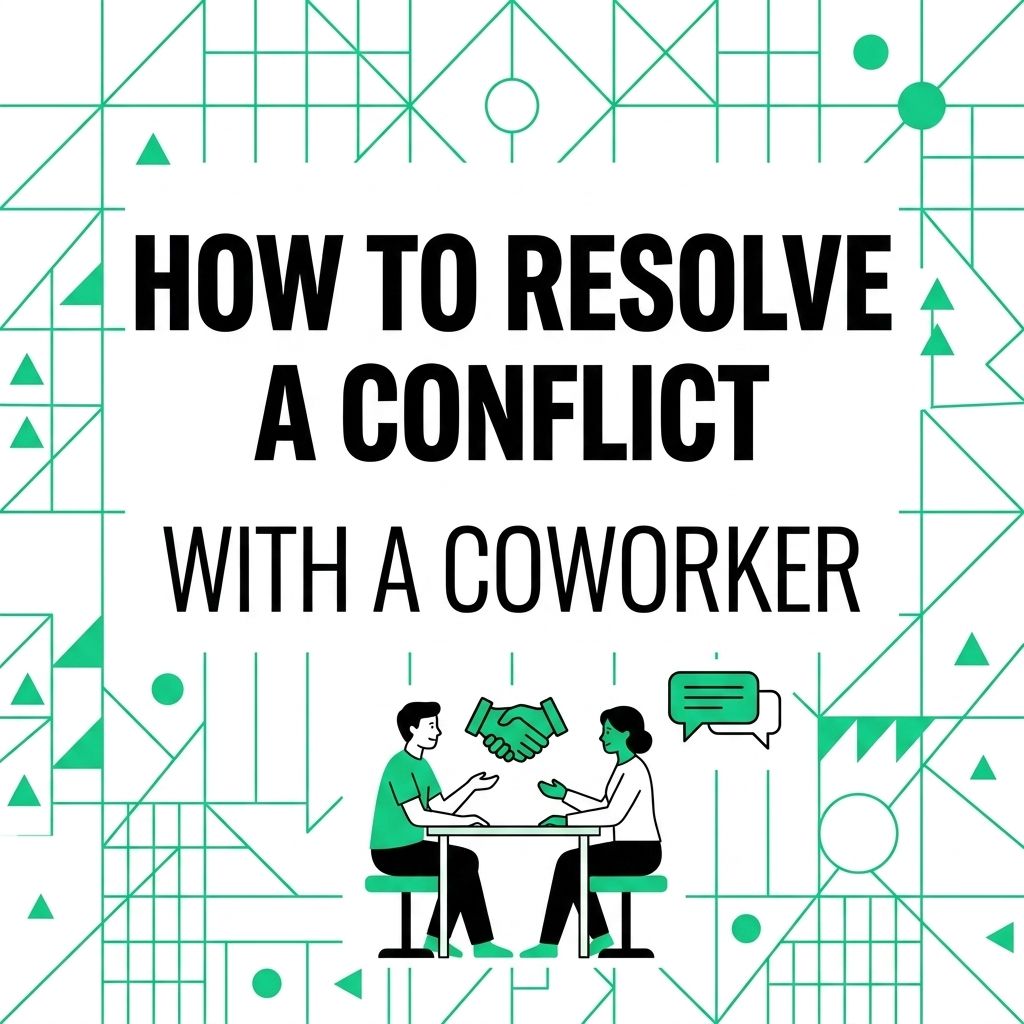
Why Tension Needs a Direct Conversation
Coworker conflict rarely disappears just because everyone stays polite. Small frustrations can turn into slower replies, awkward meetings, missed handoffs, and quiet resentment.
You do not need to win the argument. You need to understand what went wrong, agree on what changes, and get the work moving again.
Use a Clear De-Escalation Process
A hard conversation gets easier when you give it a shape. Keep the focus on the current issue, not every old frustration either person has saved up.
1. Let the other person speak first
Give your coworker room to explain the issue without cutting in. You can disagree later. First, understand what they think happened.
- Input: Silence, attention, and a willingness to hear the whole concern.
- Output: A calmer starting point for the conversation.
2. Repeat the message in your own words
Summarize what you heard before you respond. The University of Iowa's conflict management guidance says active listening can reduce tension and help people resolve conflict more effectively.
Try a plain line like this. "I want to make sure I have this right. You felt stuck because the deadline changed and I did not update you soon enough."
- Input: The coworker's stated problem.
- Output: A shared version of the issue before solutions begin.
3. Stay with the current facts
Do not pull in every old mistake. Focus on the project, deadline, message, meeting, or task that caused the current problem.
- Input: Specific examples from the current issue.
- Output: A clearer problem you can actually fix.
4. Own your part
If you missed a message, delayed a handoff, used the wrong tone, or made an assumption, say so directly. A small honest admission can lower defensiveness fast.
5. Agree on the next step
Pick one change both of you can follow. Keep it specific. What will happen next time? Who sends the update? Which deadline matters? What should happen if either person gets blocked?
- Input: Shared work goals.
- Output: A clear agreement for future behavior.
Close the Conversation Well
End by thanking the person for talking it through. That does not mean you pretend the conflict was pleasant. It means you recognize the effort it took to deal with it directly.
Follow through on the agreement. Trust comes back through behavior, not one good conversation.
For a related Working Nomads article, read how to demonstrate added value as a remote employee for remote workers before you decide your next step.
What to Read Next
Read conflict resolution helps improve productivity if you want a related next step on career growth.
Use how to succeed in the remote hiring process for beginners when you need more context before your next decision.
Publishing Articles or Documentation? Remove AI Slop.
Remove repetitive AI filler phrases, robotic patterns, and AI slop to make your content human, engaging, and original.
Applying for Growth Marketing & SEO Specialist Roles?
Boost your callback rate with our 100% free ATS-optimized resume template tailored specifically for remote Growth Marketing & SEO Specialist positions.
Remote Growth Marketing & SEO Specialist Resume Template
Built for performance marketers and organic search experts scaling visitor-to-customer acquisition funnels.
ATS Keyword Scanner
Check your resume against remote job descriptions to find missing keywords and boost your score.
Tailored Cover Letter
Generate a personalized, high-converting remote cover letter emphasizing async communication.