Conflict Resolution Helps Improve Productivity
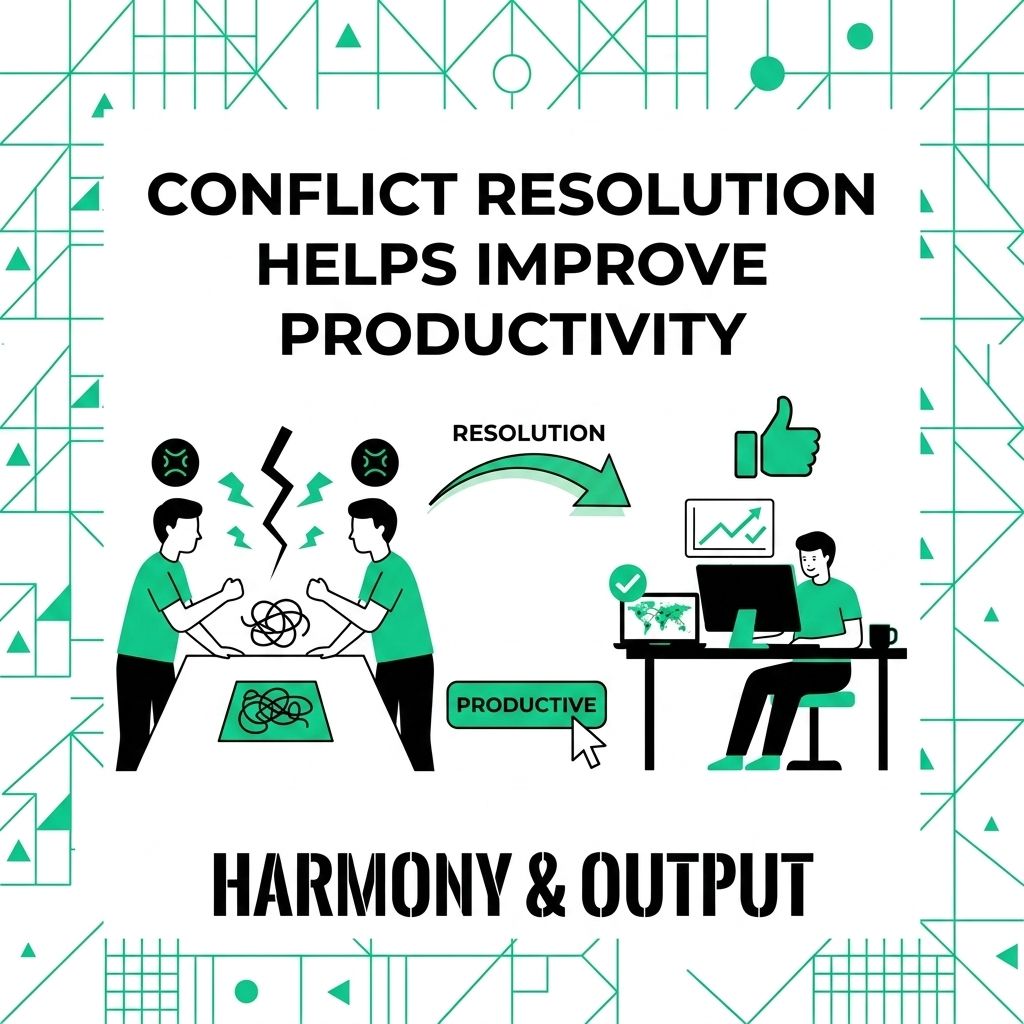
Conflict is not always the problem. Teams need room to disagree about priorities, timelines, quality, and better ways to work. The problem starts when nobody knows how to handle the disagreement.
Unclear roles, poor communication, and delayed decisions can turn normal friction into missed work. A manager does not need to force artificial harmony. The better goal is clear structure, early conversations, and fair follow-up.
The Root Cause of Destructive Friction
Workplace conflict often grows when people do not understand who owns what, which decision matters most, or how concerns should be raised. Personality can play a role, but process issues usually make the conflict harder.
CIPD's workplace conflict guidance says employers should recognize issues early, respond quickly and sensitively, and equip managers to handle conflict well. Its report on managing conflict in the workplace is a useful source for leaders who need a more formal process.
Common sources of friction include:
- Leaving people out of decisions that affect their work.
- Giving unclear roles, deadlines, or handoff rules.
- Asking for results without enough resources or training.
- Ignoring repeat process problems until people blame each other.
Add Structure Before Conflict Spreads
Strong teams can disagree without falling apart. They know how decisions get made, where to raise concerns, and what happens when two people see the work differently.
Use these three management habits to turn friction into useful information.
1. Map task ownership
Vague job descriptions create overlap, gaps, and finger-pointing. Define the steps that matter most.
- Input: Current job descriptions and project workflows.
- Process: List the work from start to finish and assign one clear owner to each step.
- Output: A task ownership matrix that reduces duplicate work and missed handoffs.
2. Hold regular check-ins
Surprise feedback can make people defensive. Short, regular conversations make it easier to raise small problems before they become bigger ones.
- Input: A recurring meeting with each direct report or project owner.
- Process: Ask what is blocked, what changed, and what support is missing.
- Output: A short record of open issues, decisions, and follow-up tasks.
3. Set a de-escalation process
People need to know what happens when a disagreement becomes hard to handle.
- Input: A disagreement between team members or between a manager and employee.
- Process: Let each person explain the issue, summarize the points of agreement, and name the decision that needs to be made.
- Output: A written next step with owners and dates.
Use Help When the Issue Is Serious
Some conflicts need HR, a neutral manager, mediation, or formal reporting. Bring in help when the issue involves harassment, discrimination, threats, retaliation, repeated policy violations, or a pattern that direct conversation has not fixed.
Conflict resolution improves productivity because people spend less time guessing, avoiding, or repairing damage. Clear roles and early conversations give the team more room to do the actual work.
For a related Working Nomads article, read how to demonstrate added value as a remote employee for job seekers before you decide your next step.
What to Read Next
Read increase earnings by learning the right skills if you want a related next step on career growth.
Use how to succeed in the remote hiring process for remote workers when you need more context before your next decision.
Publishing Articles or Documentation? Remove AI Slop.
Remove repetitive AI filler phrases, robotic patterns, and AI slop to make your content human, engaging, and original.
Applying for Growth Marketing & SEO Specialist Roles?
Boost your callback rate with our 100% free ATS-optimized resume template tailored specifically for remote Growth Marketing & SEO Specialist positions.
Remote Growth Marketing & SEO Specialist Resume Template
Built for performance marketers and organic search experts scaling visitor-to-customer acquisition funnels.
ATS Keyword Scanner
Check your resume against remote job descriptions to find missing keywords and boost your score.
Tailored Cover Letter
Generate a personalized, high-converting remote cover letter emphasizing async communication.