How Remote Work Policies Can Support Diversity
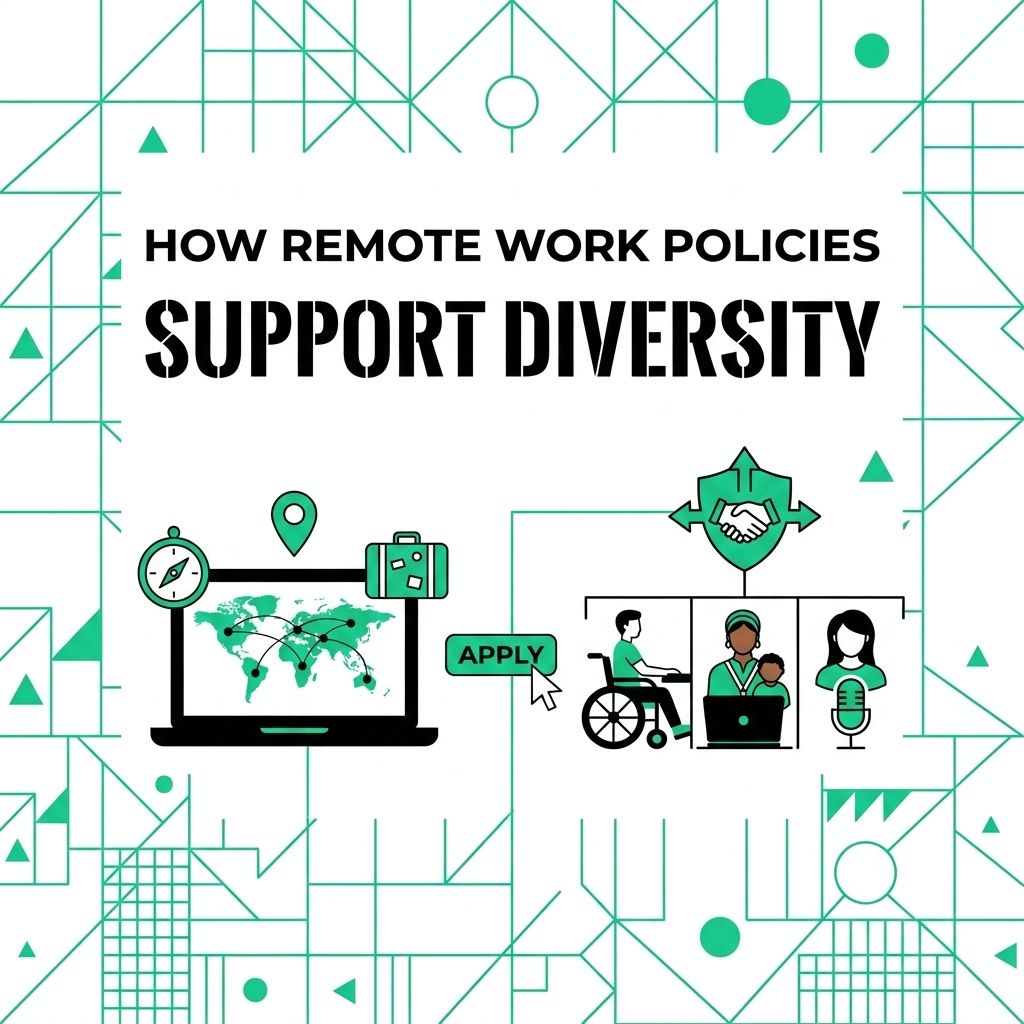
Remote work does not create diversity on its own. It can, however, remove a few barriers that keep good candidates out of the process.
For a related Working Nomads article, read how to ask for vacation days when you work remotely for busy teams before you decide your next step.
Think about the people who cannot move to a major hiring city, commute every day, or fit their life around a rigid office schedule. A remote policy can make the door wider, but the hiring process still has to be fair once people walk through it.
Reach Candidates Outside Your City
Office-based hiring limits you to people who live nearby or can afford to relocate. Remote hiring lets you look at skills first.
That broader search can help you reach candidates from different regions, backgrounds, and life situations. It can also help smaller companies compete for strong talent without forcing every hire into one expensive location.
- Look beyond commute distance Reach people who cannot relocate
- Define approved locations Set clear rules for taxes, payroll, and legal needs
- Judge the work first Keep the focus on skills and role fit
Reduce Location Bias in Hiring
Location bias can show up quietly. A hiring team may prefer candidates from familiar cities, certain schools, or companies in the same local network.
Remote work can reduce that habit if you pair it with structured interviews. Use the same questions, scorecards, and work samples for every candidate. A wider applicant pool only helps if the review process stays consistent.
Support Caregivers and Parents
Flexible work can help people stay in the labor force when caregiving responsibilities change. That matters for parents, caregivers, and workers who need more control over their schedule.
Federal Reserve research found that remote-work ability can affect women's labor force attachment, especially for prime-age women. Use that as a practical reminder. Flexibility can influence who can accept, keep, and grow in a role.
Source: Federal Reserve research on remote work and labor force attachment
Make Work More Accessible
Remote work can help some workers with disabilities avoid commute strain, office barriers, or environments that make focus harder.
Do not assume remote work solves accessibility by itself. Ask what tools, meeting practices, equipment, and accommodations people need. Inclusion means the person can do the job well, not just log in from home.
Protect Work-Life Balance Without Guessing
Flexibility only helps when expectations are clear. If remote employees are expected to answer messages all night, the policy will hurt the people it was meant to support.
Set core hours, meeting norms, response windows, and time-off expectations. Make those rules visible to everyone.
Measure Inclusion After the Policy Starts
Do not stop at offering remote work. Track whether different groups are getting interviews, offers, promotions, raises, and leadership opportunities.
Ask employees where the policy helps and where it creates friction. Then change the process based on what you learn.
Compare Office-Only and Remote-Friendly Hiring
| Hiring area | Office-only habit | Remote-friendly habit |
|---|---|---|
| Candidate reach | Hire near one office | Recruit from approved locations |
| Interview review | Use loose impressions | Use structured scorecards |
| Caregiving needs | Expect one fixed schedule | Set clear flexibility rules |
| Accessibility | Rely on office defaults | Ask what support helps the person work well |
Remote work can support diversity, but it needs structure. Make the hiring process fair, define the policy clearly, and keep checking whether people actually get equal access to growth.
What to Read Next
Read how remote work can hold up during economic downturns if you want a related next step on remote work.
Use how to negotiate your remote work agreement when you need clarity when you need more context before your next decision.
Publishing Articles or Documentation? Remove AI Slop.
Remove repetitive AI filler phrases, robotic patterns, and AI slop to make your content human, engaging, and original.
Applying for Growth Marketing & SEO Specialist Roles?
Boost your callback rate with our 100% free ATS-optimized resume template tailored specifically for remote Growth Marketing & SEO Specialist positions.
Remote Growth Marketing & SEO Specialist Resume Template
Built for performance marketers and organic search experts scaling visitor-to-customer acquisition funnels.
ATS Keyword Scanner
Check your resume against remote job descriptions to find missing keywords and boost your score.
Tailored Cover Letter
Generate a personalized, high-converting remote cover letter emphasizing async communication.