What Is a Resume Summary Statement
The quick resume scan problem
Recruiters and hiring managers often scan resumes quickly. If the top of the page is vague, they may not see why you fit the role. A resume summary helps by putting your strongest proof near the top.
For a related Working Nomads article, read why a one-page remote resume usually works best next steps before you decide your next step.
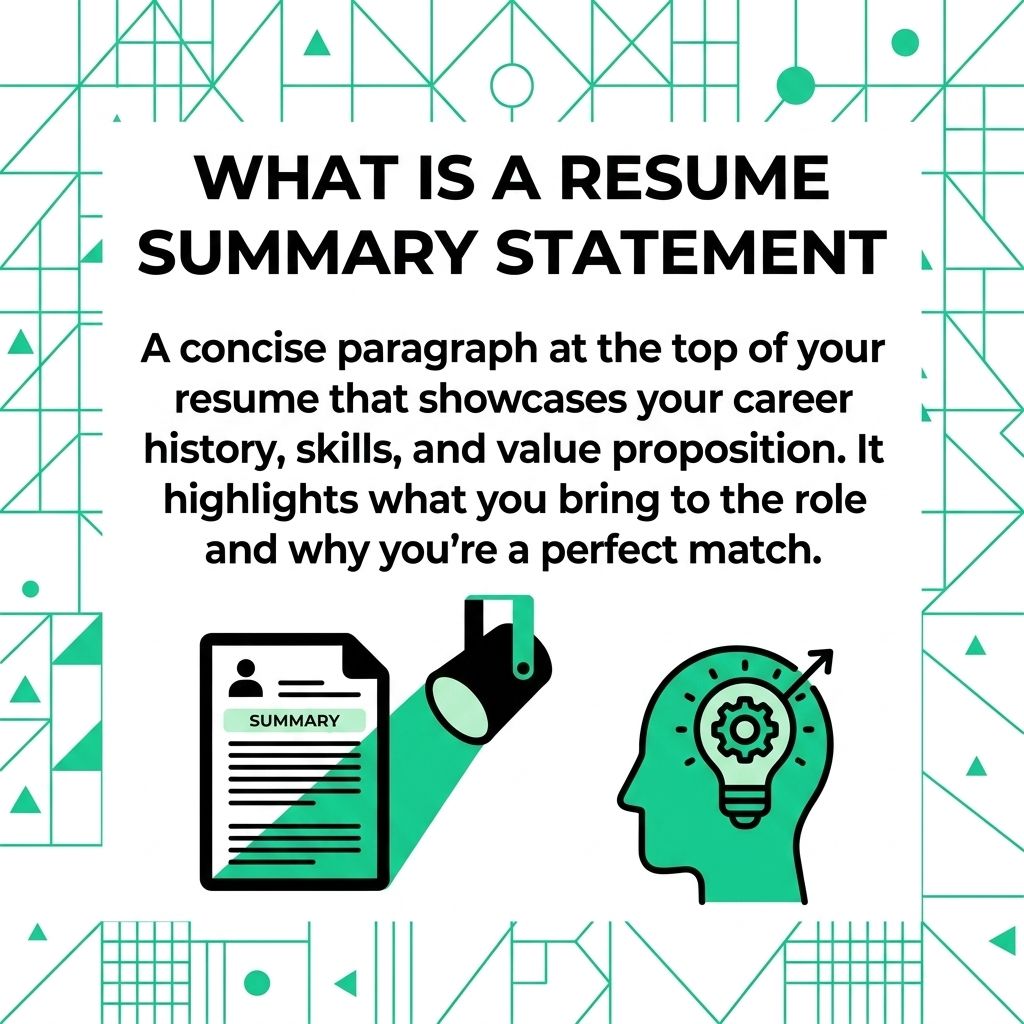
A resume summary is usually a short paragraph or a few tight phrases that explain your role, strengths, and most relevant results. Columbia Career Education describes it as a snapshot of your skills, accomplishments, and knowledge in its resume profile and summary guide.
Resume summary and objective differences
A summary focuses on what you bring to the employer. An objective focuses more on what you want. CareerOneStop makes the same distinction in its resume guide tips.
| Feature | Resume Summary Statement | Resume Objective |
|---|---|---|
| **Focus** | Your proven value to the employer | Your personal career goals |
| **Content** | Achievements, years of experience, core skills | Desired job title, industry transition |
| **Best For** | Experienced professionals staying in their field | Entry-level candidates or career changers |
How to build a clear summary statement
Write this section after you draft the rest of your resume. That way, you can pull from real achievements instead of guessing what sounds impressive.
Step 1 define your professional identity
State who you are in the context of the job you want.
- Input: Current title, years of experience, industry, and one key certification.
- Output: "Certified cybersecurity analyst with 3 years of experience..."
Step 2 choose your strongest proof
Look for achievements that connect to the job posting. Numbers help, but clear scope also works.
- Input: A result, project, client type, tool, or team size.
- Output: "...who improved access controls, supported audits, and reduced repeat security tickets."
Step 3 combine and tighten
Turn the raw notes into two or three short sentences. Cut anything that could fit almost any applicant.
- Input: Your title, strongest skills, and best proof.
- Output: "Certified cybersecurity analyst with 3 years of experience supporting access control, audit prep, and endpoint security. Known for reducing repeat security tickets and translating technical risks into clear action steps."
Resume summary examples
Use these examples as structure, not copy. Your summary should match your real experience.
Graphic designer
Senior graphic designer with 6 years of experience creating brand assets, campaign visuals, and sales materials for mid-sized companies. Produced logos, brochures, social graphics, and landing page assets while helping the team keep client revisions organized.
Technology leader
Technology operations leader with 15 years of experience managing infrastructure, security, and vendor projects. Led cross-functional teams through system upgrades, risk reviews, and process improvements for growing technology companies.
Account executive
Senior account executive with experience selling data enrichment and CRM services to B2B teams. Skilled in Salesforce, Marketo, pipeline management, and account planning for clients with complex sales cycles.
Where to place it
Put the summary directly below your contact information. Tailor it for each role so the first few lines match the job you are applying for. Keep it short enough that the rest of your resume still carries the proof.
What to Read Next
Read resume writing and how to choose the right resume format if you want a related next step on resume writing.
Use references on your remote resume and when to share them next steps when you need more context before your next decision.
Publishing Articles or Documentation? Remove AI Slop.
Remove repetitive AI filler phrases, robotic patterns, and AI slop to make your content human, engaging, and original.
Applying for Senior DevOps & Cloud Engineer Roles?
Boost your callback rate with our 100% free ATS-optimized resume template tailored specifically for remote Senior DevOps & Cloud Engineer positions.
Remote DevOps & Cloud Engineer Resume Template
Tailored for Site Reliability Engineers and DevOps architects managing infrastructure as code and automated deployment pipelines.
ATS Keyword Scanner
Check your resume against remote job descriptions to find missing keywords and boost your score.
Tailored Cover Letter
Generate a personalized, high-converting remote cover letter emphasizing async communication.