Two Strategies to Find Your Next Remote Job
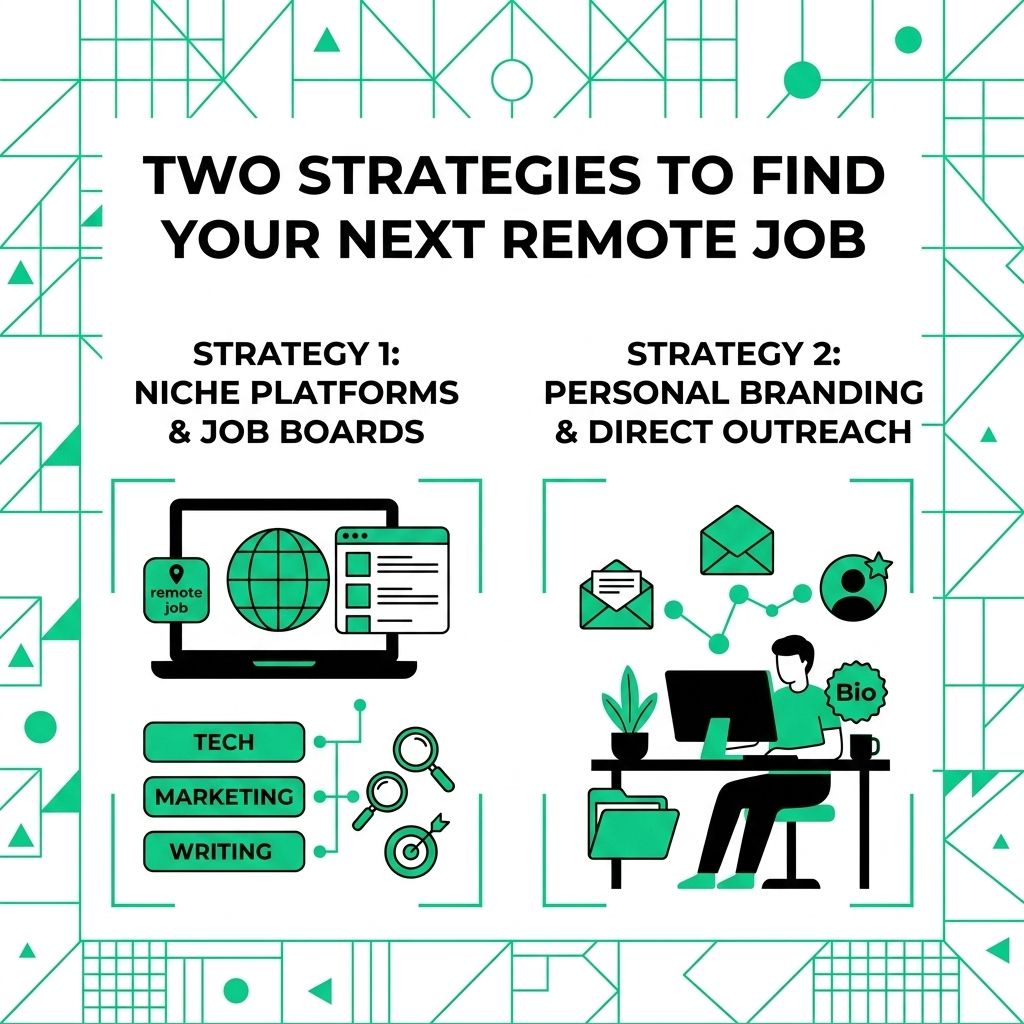
Remote jobs can attract a lot of applicants. That does not mean you need tricks. You need a clearer search.
For a related Working Nomads article, read reasons why you are not hearing back about remote jobs for better applications before you decide your next step.
Two habits make the biggest difference for most job seekers. Apply with focus, and talk to people before you need a favor.
Target Fewer Roles More Carefully
A generic resume sent to fifty jobs can feel productive, but it often hides the real problem. The employer cannot see why you fit.
Pick fewer roles and do the work properly. Read the job post, match your experience to the core requirements, and rewrite the top of your resume so the connection is obvious.
- Choose better matches Apply when you meet the main requirements
- Use the job language honestly Mirror keywords only when they fit your experience
- Show remote proof Mention async work, written updates, timezone handoffs, or self-managed projects
Build a Stronger Network
Networking is not begging strangers for jobs. It is making your work easier to notice.
CareerOneStop says networking is one of the best ways to invest time in a job search, and its guidance focuses on simple steps like contacting people you know, asking for information, and following up. Use that mindset for remote work.
Source: CareerOneStop guide to networking
Send Better Outreach Messages
Keep outreach short and specific. Mention why you are reaching out, what role or team caught your attention, and what you would like to ask.
Do not ask someone to "pick your brain" with no context. Ask one clear question. For example, ask what the team values in remote employees or whether the role requires a specific timezone.
Make Your Work Easy to Review
Remote employers often want proof that you can work without constant supervision. Give them proof.
Update your portfolio, GitHub profile, writing samples, case studies, or project links. Show what you did, why it mattered, and what changed because of your work.
Follow Up Without Being Pushy
A thoughtful follow-up can help. A flood of messages hurts.
Wait a few business days after you apply or speak with someone. Send one short note that thanks them, repeats your interest, and adds one useful detail about your fit.
Compare Generic and Focused Job Search Habits
You do not need to apply everywhere. Choose better roles, make your fit obvious, and build enough real conversations that the search starts to feel less random.
What to Read Next
Read guide to getting your first job when unemployed if you want a related next step on job search.
Use how to respond to a job offer for hiring teams when you need more context before your next decision.
Publishing Articles or Documentation? Remove AI Slop.
Remove repetitive AI filler phrases, robotic patterns, and AI slop to make your content human, engaging, and original.
Applying for Growth Marketing & SEO Specialist Roles?
Boost your callback rate with our 100% free ATS-optimized resume template tailored specifically for remote Growth Marketing & SEO Specialist positions.
Remote Growth Marketing & SEO Specialist Resume Template
Built for performance marketers and organic search experts scaling visitor-to-customer acquisition funnels.
ATS Keyword Scanner
Check your resume against remote job descriptions to find missing keywords and boost your score.
Tailored Cover Letter
Generate a personalized, high-converting remote cover letter emphasizing async communication.