Guide to Getting Your First Job When Unemployed
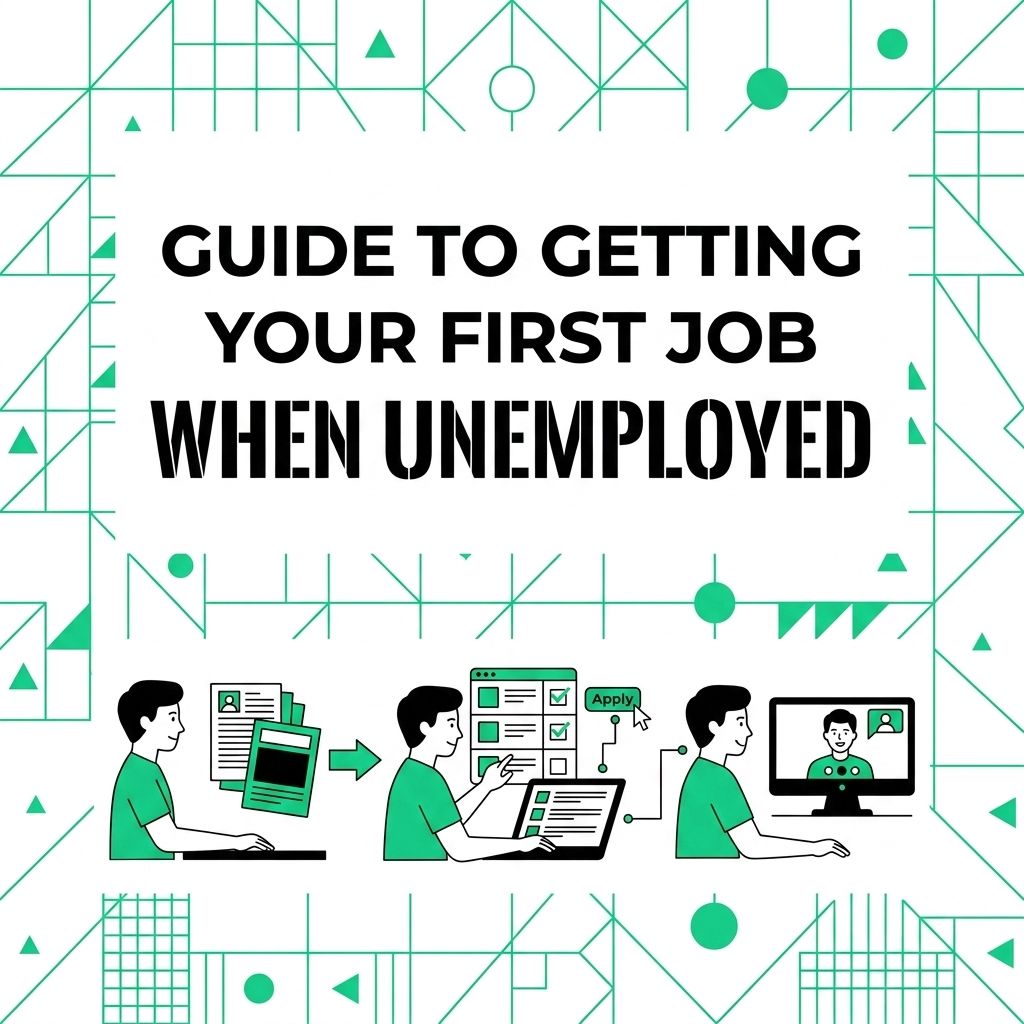
Looking for your first job while unemployed can feel slow and personal. Try to make it less emotional and more practical.
For a related Working Nomads article, read reasons why you are not hearing back about remote jobs for stronger interviews before you decide your next step.
Your goal is to show evidence. Evidence can come from school, volunteer work, freelance projects, personal projects, internships, certifications, or a small portfolio.
Choose a Clear Target Role
Do not start with every job on the internet. Pick a few role types that match your skills and interests.
Look at job posts and write down the skills that repeat. Then compare those skills with what you already have. The gap becomes your learning plan.
- Pick two or three roles Keep the search focused
- List repeated skills Notice what employers keep asking for
- Match your evidence Connect school, projects, or volunteer work to the role
Build a Resume Around Transferable Skills
Your resume does not need a long work history to be useful. It needs to show what you can do.
CareerOneStop's resume guidance says a resume describes your skills, experience, training, and education. Use that broader view when you are new to the workforce.
Source: CareerOneStop resume guidance for first job seekers
Create Proof Before You Apply
If you do not have formal experience, create small proof.
Build a sample project. Volunteer for a local group. Write a case study. Help a friend with a real task. Take a short course and turn the lesson into something visible.
Talk to People in the Field
Networking helps when you use it to learn, not just ask for referrals.
Ask people how they got started, what skills mattered most, and what they would learn first. Keep messages short and respectful. Thank people when they help.
Apply and Track Everything
Use a simple tracker. Note the company, role, date applied, contact person, follow-up date, and result.
This keeps the search from becoming a blur. It also helps you see what is working.
Consider Contract or Volunteer Experience
Short-term work can help you build evidence. Freelance, contract, volunteer, or project-based work can give you examples for your resume and interviews.
Choose work that connects to your target role. Random experience is less useful than one small project that shows the skill an employer wants.
Compare First Job Search Habits
| Job search area | Unfocused habit | Stronger habit |
|---|---|---|
| Role choice | Apply to anything | Pick a few target roles |
| Resume | Apologize for no experience | Show transferable skills and projects |
| Proof | Wait for someone to take a chance | Create a small project or volunteer example |
| Tracking | Guess what you applied to | Keep a simple application tracker |
Your first job search takes patience, but it should not be random. Pick a target, build proof, and keep applying with a cleaner story each time.
What to Read Next
Read how to land your first six figure remote job if you want a related next step on job search.
Use how to respond to a job offer for managers when you need more context before your next decision.
Publishing Articles or Documentation? Remove AI Slop.
Remove repetitive AI filler phrases, robotic patterns, and AI slop to make your content human, engaging, and original.
Applying for Growth Marketing & SEO Specialist Roles?
Boost your callback rate with our 100% free ATS-optimized resume template tailored specifically for remote Growth Marketing & SEO Specialist positions.
Remote Growth Marketing & SEO Specialist Resume Template
Built for performance marketers and organic search experts scaling visitor-to-customer acquisition funnels.
ATS Keyword Scanner
Check your resume against remote job descriptions to find missing keywords and boost your score.
Tailored Cover Letter
Generate a personalized, high-converting remote cover letter emphasizing async communication.