The Real Cost Benefits of Working From Home
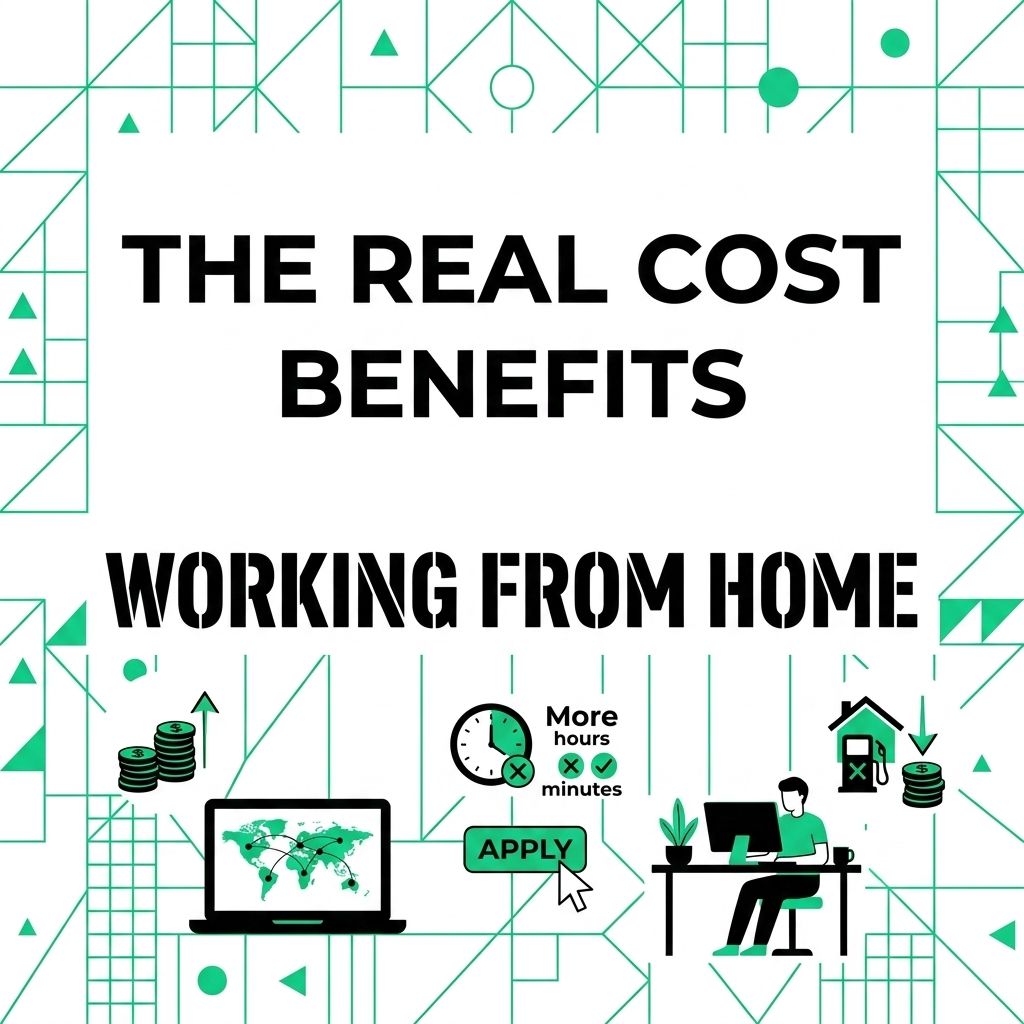
Your salary is not the full story. Office work can pull money from your paycheck through commuting, lunch, coffee, clothing, parking, and the small purchases that happen because you are away from home all day.
Remote work does not remove every cost. You may spend more on home internet, utilities, or office equipment. Still, it can reduce the expenses you only pay because a job requires you to be in a company building.
The Hidden Tax of the Office
Office life often adds a second budget on top of your normal bills. Some costs are obvious. Others are easy to ignore because they happen a few dollars at a time.
Cut the Commute Drain
The Census Bureau reported that the average one-way commute for people who traveled to a workplace was 26.4 minutes in 2022. A commute around that length adds up to more than four hours each week before fuel, transit fares, tolls, parking, or vehicle wear.
Remote work gives some of that time back. What would change if you had those hours for sleep, exercise, family, job searching, or a course that helps you earn more?
Drop the Extra Wardrobe Costs
Office roles often come with clothing expectations. That can mean business attire, shoes, dry cleaning, or extra laundry.
Remote work usually lowers that pressure. You still need to look professional for video calls, but you may not need a full office wardrobe for every day of the week.
Reduce the Daily Food Leak
Lunches, snacks, and coffee near an office can quietly drain a budget. Even when each purchase feels small, the weekly total can be annoying.
Work from home makes it easier to use groceries you already bought. It also removes the pressure to buy food just because you forgot to pack something.
Compare Office and Remote Costs
Use the table as a starting point, not a promise. Your real savings depend on your commute, city, household setup, and work habits.
| Expense Category | Office Environment | Remote Environment |
|---|---|---|
| Commuting | Fuel, transit fares, parking, tolls, and vehicle wear | Often removed or sharply reduced |
| Wardrobe | Office clothing, shoes, cleaning, and replacements | Usually lower unless client calls require formal dress |
| Food | Lunches out, coffee runs, and convenience snacks | More control through groceries and meal prep |
| Time | Travel time before and after work | More time available for personal or career goals |
Check Your Work-From-Home Readiness
Money matters, but it is not the only factor. Remote work also changes your routine, social contact, and boundaries.
Follow this process before you make the switch:
- Audit your current expenses. Track commuting, food, clothing, and parking for 30 days.
- Calculate your regained time. Multiply your daily commute by the number of days you go to the office each year.
- Set a social plan. Replace casual office contact with planned calls, coworking days, or local meetups.
- Define a hard stop. Pick an end time so work does not bleed into the rest of your life.
Remote work can give you a real financial advantage, but the best answer depends on your life. Run the numbers, be honest about your habits, and use Working Nomads to compare roles that fit both your budget and your work style.
For a related Working Nomads article, read how remote workers can understand tax deductions guide before you decide your next step.
What to Read Next
Read best code collaboration and pair programming tools for remote work if you want a related next step on remote work.
Use how to ask for vacation days when you work remotely for your job search when you need more context before your next decision.
Publishing Articles or Documentation? Remove AI Slop.
Remove repetitive AI filler phrases, robotic patterns, and AI slop to make your content human, engaging, and original.
Applying for Senior Backend Engineer Roles?
Boost your callback rate with our 100% free ATS-optimized resume template tailored specifically for remote Senior Backend Engineer positions.
Remote Backend Engineer Resume Template
Focused on API throughput, database scaling, data modeling, and fault tolerance for distributed systems.
ATS Keyword Scanner
Check your resume against remote job descriptions to find missing keywords and boost your score.
Tailored Cover Letter
Generate a personalized, high-converting remote cover letter emphasizing async communication.