ChatGPT and the Future of Hiring
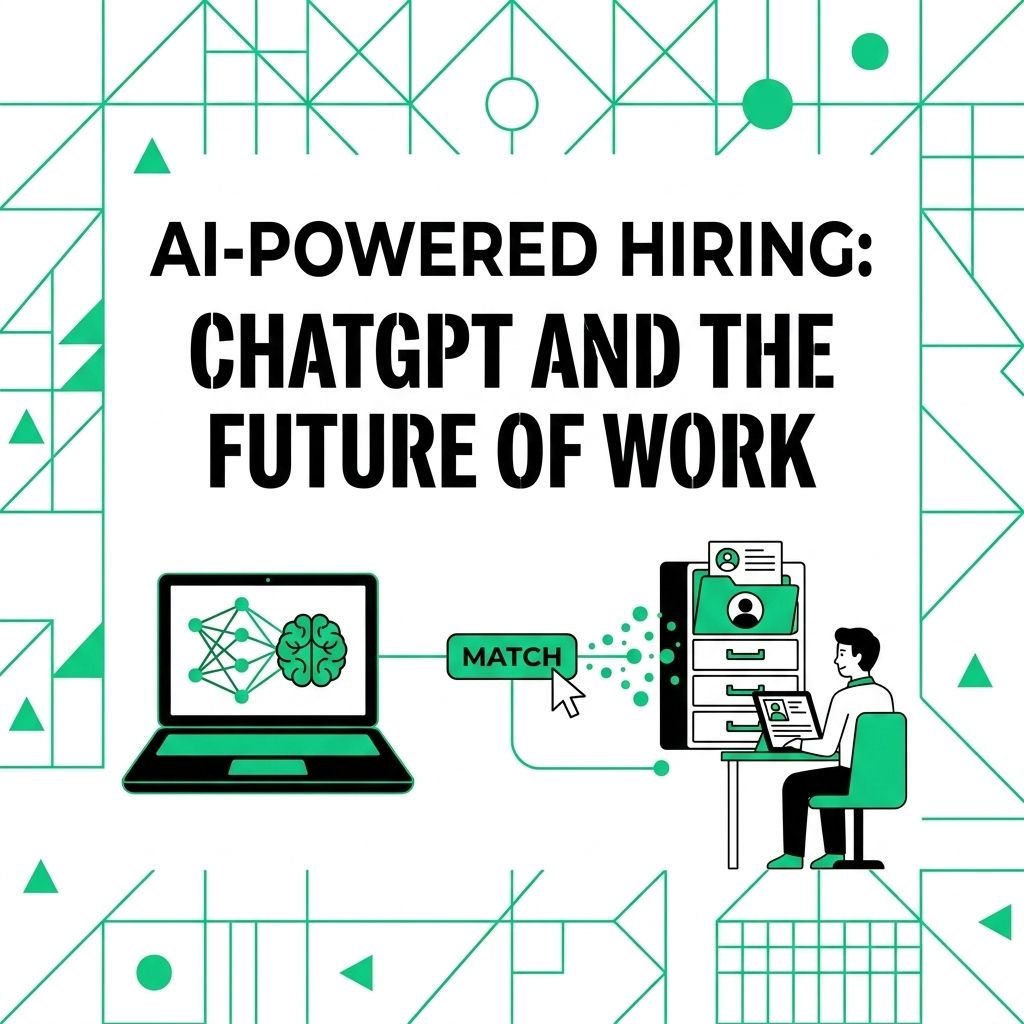
ChatGPT can help hiring teams move faster, but it should not replace judgment, fairness, or real evaluation. That is the honest version.
For a related Working Nomads article, read why your attitude dictates your career trajectory next steps before you decide your next step.
AI tools can draft questions, summarize notes, help screen for stated requirements, and support candidate communication. They can also create risk if employers use them carelessly. A faster hiring process is not better if it becomes less fair.
Use AI as a Hiring Assistant
ChatGPT works best as support for people who still own the decision. A recruiter might use it to write interview questions, clean up job descriptions, organize candidate notes, or draft follow-up emails.
Keep humans responsible for the final call. AI can miss context, repeat bias from source data, or sound confident when the answer is wrong.
Improve Coding Interviews Without Replacing Them
Traditional coding interviews can be stressful and uneven. Some test puzzle speed more than job skill.
AI can help create clearer prompts, compare answers against a rubric, or give candidates a more realistic work sample. It still should not be the only judge. A strong hiring process checks code quality, communication, collaboration, and how the person reasons through tradeoffs.
Watch for Bias and Legal Risk
Employers need to take AI hiring risk seriously. The EEOC has warned that AI and algorithmic tools used in employment decisions can still violate anti-discrimination laws if they disadvantage protected groups.
Source: EEOC initiative on AI and algorithmic fairness
Tell Candidates When AI Is Used
Candidates should know when AI plays a meaningful role in the process. Transparency builds trust and gives people a chance to ask questions.
Explain what the tool does, what data it reviews, and whether a human will review the result. Do not hide behind vague language like "advanced screening."
Keep the Evaluation Structured
AI works better when the hiring process already has clear criteria. Use scorecards, rubrics, and role-specific requirements before you ask a tool to help.
This protects the candidate and the company. It also keeps the process from drifting toward personal impressions or vague "culture fit" judgments.
- Use clear rubrics Score candidates against the same job-related criteria
- Keep human review Let people check AI-assisted notes and recommendations
- Audit outcomes Look for patterns that may disadvantage certain groups
Compare Hiring With and Without AI Support
| Hiring area | Weak use of AI | Better use of AI |
|---|---|---|
| Screening | Let AI reject candidates alone | Use AI to organize, then review with humans |
| Interviews | Ask random generated questions | Use a role-based rubric |
| Candidate notes | Trust summaries without checking | Verify notes against the actual conversation |
| Fairness | Assume the tool is neutral | Audit results for bias and errors |
ChatGPT may become a normal part of hiring, but the best teams will use it carefully. Let it reduce admin work, not responsibility.
What to Read Next
Read differences between companies in europe and the us if you want a related next step on career growth.
Use how to demonstrate added value as a remote employee guide for candidates when you need more context before your next decision.
Publishing Articles or Documentation? Remove AI Slop.
Remove repetitive AI filler phrases, robotic patterns, and AI slop to make your content human, engaging, and original.
Applying for Executive Virtual Assistant Roles?
Boost your callback rate with our 100% free ATS-optimized resume template tailored specifically for remote Executive Virtual Assistant positions.
Remote Executive Virtual Assistant Resume Template
Engineered for high-performing assistants managing executive inboxes, calendars across time zones, and confidential business ops.
ATS Keyword Scanner
Check your resume against remote job descriptions to find missing keywords and boost your score.
Tailored Cover Letter
Generate a personalized, high-converting remote cover letter emphasizing async communication.