How to Reduce Layoff Risk and Keep Your Career Steady
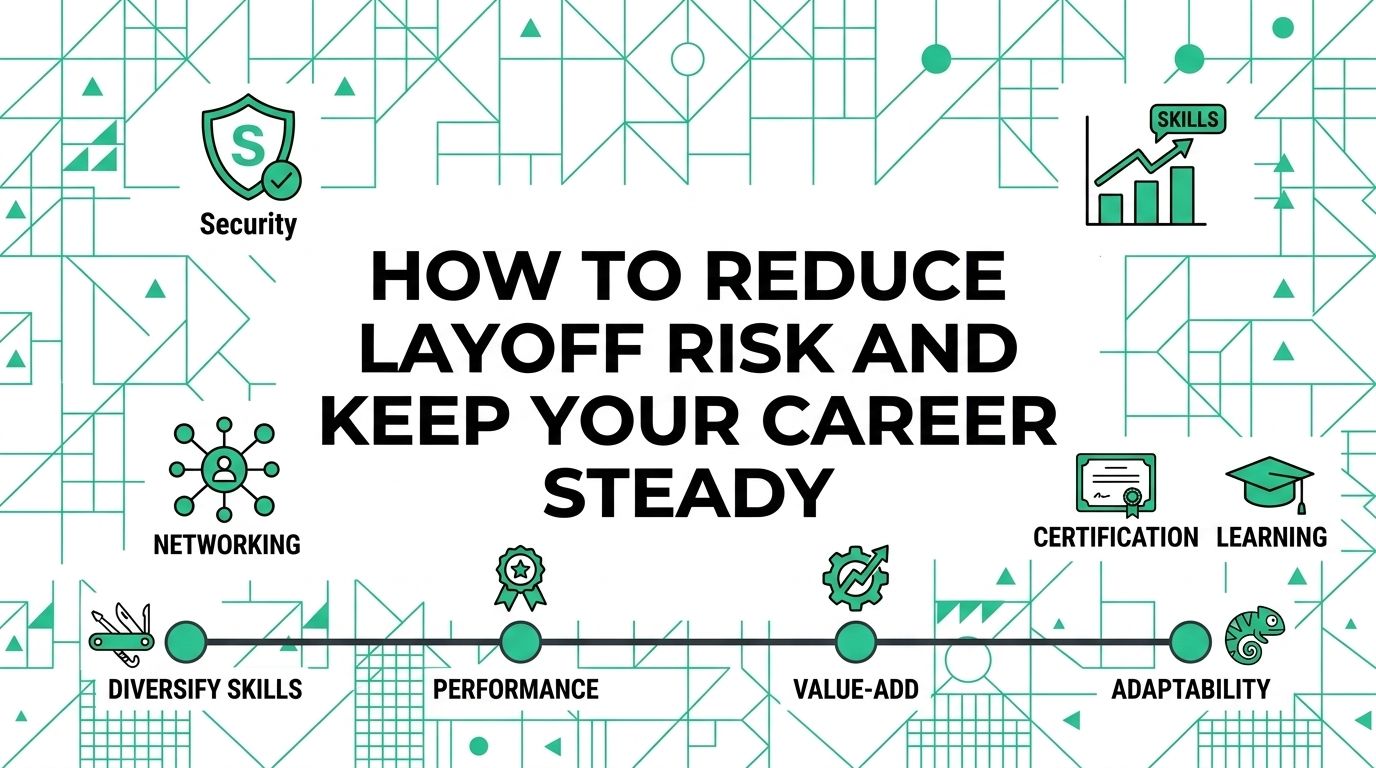
No one can guarantee job security. Layoffs can happen because of revenue problems, strategy changes, mergers, automation, or budget cuts that have nothing to do with your performance.
For a related Working Nomads article, read how to demonstrate added value as a remote employee for your next step before you decide your next step.
You can still reduce your risk and prepare better. Stay useful, stay visible, and keep your options warm before you need them.
Know What Layoffs Usually Signal
Layoffs are employer-driven separations, and they show up in labor data as part of a broader job market picture. The BLS JOLTS release for layoffs and discharges reported that layoffs and discharges were 1.7 million in May 2026, with the rate little changed at 1.1%.
That number does not tell you whether your company will cut roles. It does remind you that layoffs are a normal part of the labor market, even when individual workers do everything right.
Watch Company Signals Before You Accept
Look closely before you join a company. Ask about runway, revenue, customer growth, hiring plans, and why the role is open.
You may not get every detail, but the answers can still tell you a lot. Listen for vague replies, sudden hiring freezes, or a role that seems disconnected from the company's core work.
- Ask why the role exists Learn whether it supports a core priority
- Review company news Look for funding, revenue, layoffs, or leadership changes
- Check team stability Ask how long people stay and why they leave
Make Your Work Visible
Good work helps more when people can see it. Share concise updates with your manager.
Tie your work to business outcomes when possible. Mention customers helped, revenue protected, costs reduced, bugs fixed, deadlines met, or risks removed. Keep it factual and easy to scan.
Build Skills the Company Needs Now
Skill growth matters most when it connects to current priorities. Learn the tools, workflows, or customer problems your team cares about.
Ask your manager where the team has gaps. Then choose one useful skill and show progress. Do not chase random courses just to feel busy.
Build Relationships Before You Need Help
Internal relationships matter. So do external ones.
Talk to people across your company. Stay in touch with peers, recruiters, former coworkers, and industry contacts. A network is most useful when it exists before panic starts.
Keep Your Job Search Materials Current
Update your resume while the details are fresh. Save examples of work you can discuss later.
Keep a short list of target companies. Track roles that interest you. You do not need to apply right away, but you should know where you would look if the situation changed.
Compare Passive and Prepared Career Habits
| Career area | Passive habit | Prepared habit |
|---|---|---|
| Company risk | Trust rumors | Watch business signals |
| Work visibility | Hope managers notice | Share clear results |
| Skills | Take random training | Build skills tied to team needs |
| Job search | Wait for bad news | Keep materials current |
You cannot control every layoff decision. You can control how visible, useful, and prepared you are. That is the steadier path.
What to Read Next
Read deep work for productivity and balance if you want a related next step on career growth.
Use how to succeed in the remote hiring process questions to ask when you need more context before your next decision.
Publishing Articles or Documentation? Remove AI Slop.
Remove repetitive AI filler phrases, robotic patterns, and AI slop to make your content human, engaging, and original.
Applying for Growth Marketing & SEO Specialist Roles?
Boost your callback rate with our 100% free ATS-optimized resume template tailored specifically for remote Growth Marketing & SEO Specialist positions.
Remote Growth Marketing & SEO Specialist Resume Template
Built for performance marketers and organic search experts scaling visitor-to-customer acquisition funnels.
ATS Keyword Scanner
Check your resume against remote job descriptions to find missing keywords and boost your score.
Tailored Cover Letter
Generate a personalized, high-converting remote cover letter emphasizing async communication.