How to Prevent Remote Work Burnout
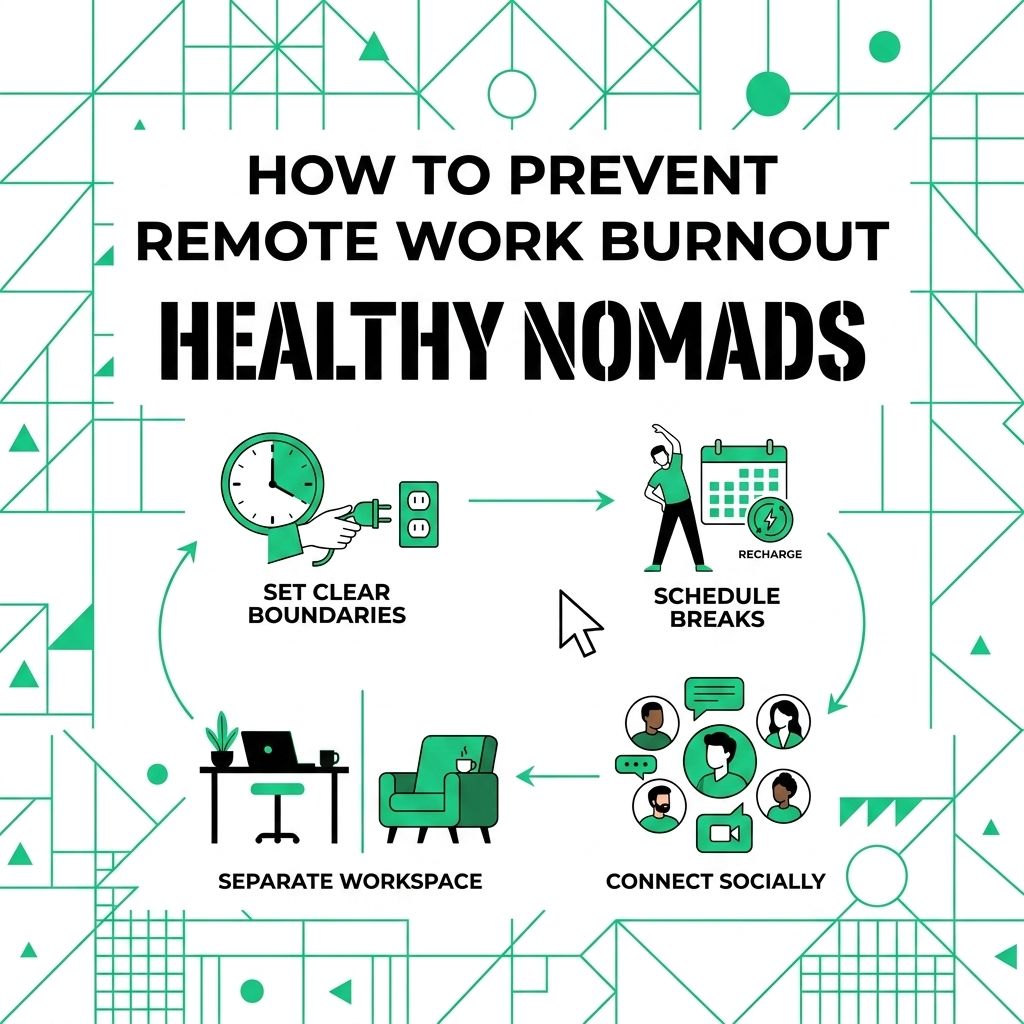
Remote work can make burnout harder to notice. Your laptop is always nearby, your home is also your workspace, and the day can stretch without a clear stop.
For a related Working Nomads article, read how remote workers can understand tax deductions for job seekers before you decide your next step.
Burnout is not fixed by one better morning routine. You need boundaries, recovery time, manageable workload, and honest conversations before stress becomes normal.
Spot the Causes Early
Burnout often starts with small patterns. You skip lunch, answer messages late, stop taking breaks, and keep saying yes when your calendar is already full.
Isolation can add to it. So can unclear expectations, too many meetings, and the feeling that you need to prove you are working because nobody sees you.
- Notice your triggers Track which parts of the week drain you most
- Check your hours See whether work keeps moving into personal time
- Name the pressure Ask whether the problem is workload, isolation, or unclear expectations
Recognize Warning Signs
Pay attention when your body and mood change. You may feel tired after enough sleep, lose motivation, snap at people, or struggle to focus on simple tasks.
CDC mental health guidance recommends healthy routines, breaks, connection, and asking for help when stress becomes hard to manage. Use those ideas early instead of waiting until you crash.
Source: CDC guidance on managing stress
Set a Clear Start and Stop
Remote work needs a daily boundary. Start the day with a simple routine and end it with a shutdown habit.
Close your laptop. Turn off work notifications if your role allows it. Write tomorrow's first task before you stop so your brain does not keep looping through work.
Take Real Breaks
A break is not checking messages in another tab. Step away from the screen.
Eat lunch away from your keyboard. Walk for a few minutes. Stretch. Call someone. Give your brain a real pause before the next focus block.
Talk to Your Manager Before It Gets Worse
You do not need to wait until you are exhausted to ask for help. Tell your manager when the workload is not realistic.
Bring specifics. Explain what is on your plate, what deadlines conflict, and what tradeoff you need. A clear conversation is easier to act on than a vague "I'm overwhelmed."
Compare Burnout Habits
| Work habit | Burnout risk | Better habit |
|---|---|---|
| Schedule | Work bleeds into the night | Set a clear stop time |
| Breaks | Eat lunch while working | Step away from the screen |
| Workload | Say yes to everything | Confirm priorities and tradeoffs |
| Connection | Stay isolated all week | Keep small human check-ins |
Remote work should not mean being available forever. Protect your time, ask for help early, and build a routine that lets you recover after work.
What to Read Next
Read how to ask for vacation days when you work remotely article 1 61 if you want a related next step on remote work.
Use how to negotiate your remote work agreement guide for employers when you need more context before your next decision.
Publishing Articles or Documentation? Remove AI Slop.
Remove repetitive AI filler phrases, robotic patterns, and AI slop to make your content human, engaging, and original.
Applying for Executive Virtual Assistant Roles?
Boost your callback rate with our 100% free ATS-optimized resume template tailored specifically for remote Executive Virtual Assistant positions.
Remote Executive Virtual Assistant Resume Template
Engineered for high-performing assistants managing executive inboxes, calendars across time zones, and confidential business ops.
ATS Keyword Scanner
Check your resume against remote job descriptions to find missing keywords and boost your score.
Tailored Cover Letter
Generate a personalized, high-converting remote cover letter emphasizing async communication.