How to Handle the Last Day at Work
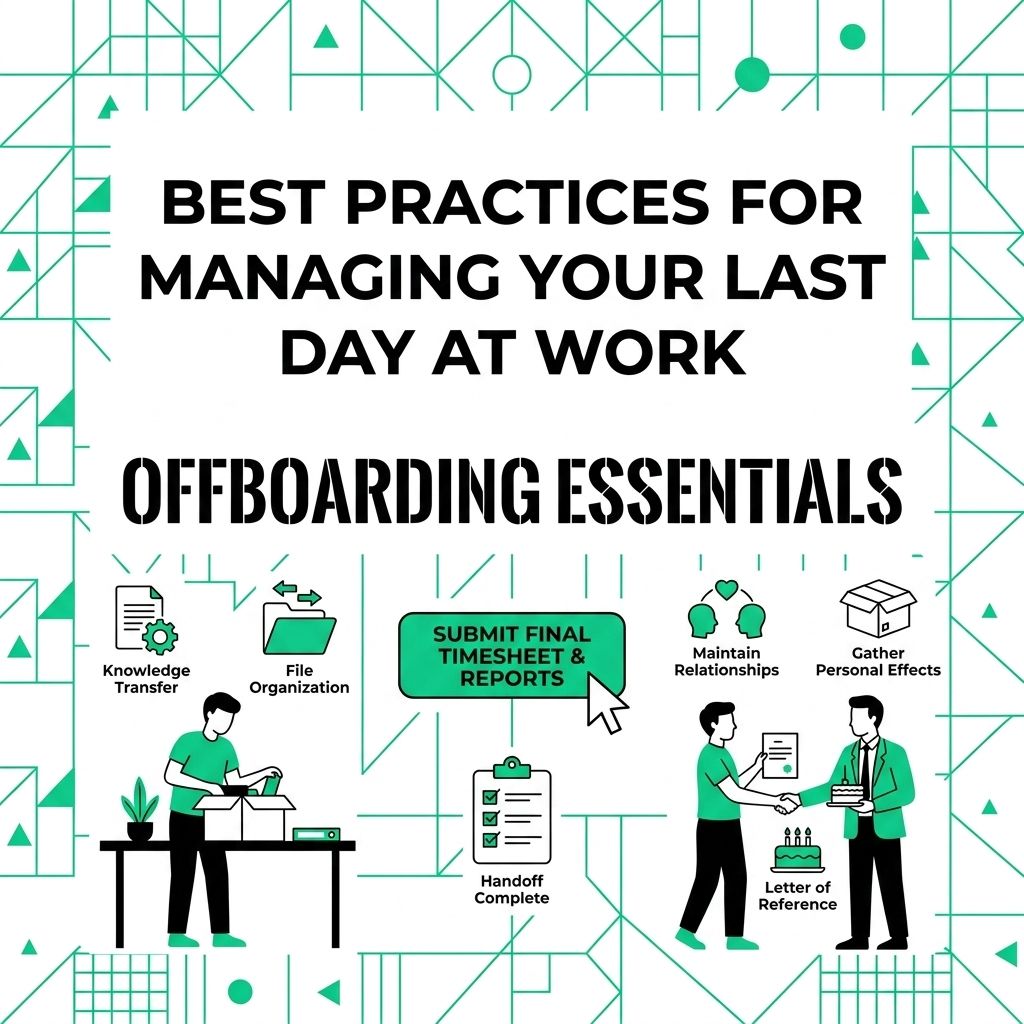
The Last Day Still Matters
A last day can feel strange, especially after a layoff or sudden resignation. You may want to leave quickly and deal with the details later. That is understandable, but a calm checklist can save you trouble.
Use the time to confirm pay details, understand benefits, collect personal contacts, and leave on professional terms. Keep it simple. You are closing one chapter without making the next one harder.
Reactive Exits and Prepared Exits
Confirm Pay and Benefits
HR teams handle a lot of details, and mistakes can happen. Ask direct questions before you lose access to systems or leave the building.
Check these items:
- Final pay: Ask when the final paycheck will arrive and what it includes.
- Paid time off: Confirm whether unused vacation or sick time is paid out under your company policy and state rules.
- Reimbursements: Submit approved expenses while you still have access to receipts and systems.
- Equity and bonuses: Ask for written details on vesting, payout dates, and what happens after departure.
- Insurance continuation: Ask when coverage ends and when you will receive continuation paperwork.
For health coverage, the U.S. Department of Labor explains that COBRA continuation coverage may let eligible workers and families continue group health benefits for a limited time after certain job changes. Your exact options depend on your plan and situation.
Document Work Results Safely
You may lose access to email, shared drives, and project systems quickly. Before that happens, write down nonconfidential facts about your own work.
Do not take proprietary files, client data, internal documents, source code, or private company information. Keep only allowed summaries, such as project names you can mention publicly, tools used, deadlines met, team size, budget range if approved, and outcomes you are allowed to share.
Keep Your Professional Network Open
Your coworkers may become references, referral sources, or future teammates. Make it easy to stay in touch.
Send a short note to people you worked with closely. Thank them, share your personal email or LinkedIn profile, and invite them to stay connected. Keep the tone calm, even if the exit was not ideal.
Reframe the Transition
A job ending can shake your confidence. That does not erase your skills.
List the problems you solved, the tools you used, the people you helped, and the results you created. Those details become resume bullets, interview stories, and reminders that your value did not disappear with one employer.
For a related Working Nomads article, read how to demonstrate added value as a remote employee for career planning before you decide your next step.
What to Read Next
Read a practical plan after job loss if you want a related next step on career growth.
Use how to succeed in the remote hiring process before you decide when you need more context before your next decision.
Publishing Articles or Documentation? Remove AI Slop.
Remove repetitive AI filler phrases, robotic patterns, and AI slop to make your content human, engaging, and original.
Applying for Growth Marketing & SEO Specialist Roles?
Boost your callback rate with our 100% free ATS-optimized resume template tailored specifically for remote Growth Marketing & SEO Specialist positions.
Remote Growth Marketing & SEO Specialist Resume Template
Built for performance marketers and organic search experts scaling visitor-to-customer acquisition funnels.
ATS Keyword Scanner
Check your resume against remote job descriptions to find missing keywords and boost your score.
Tailored Cover Letter
Generate a personalized, high-converting remote cover letter emphasizing async communication.