How to Get a Job After Being Fired or Laid Off
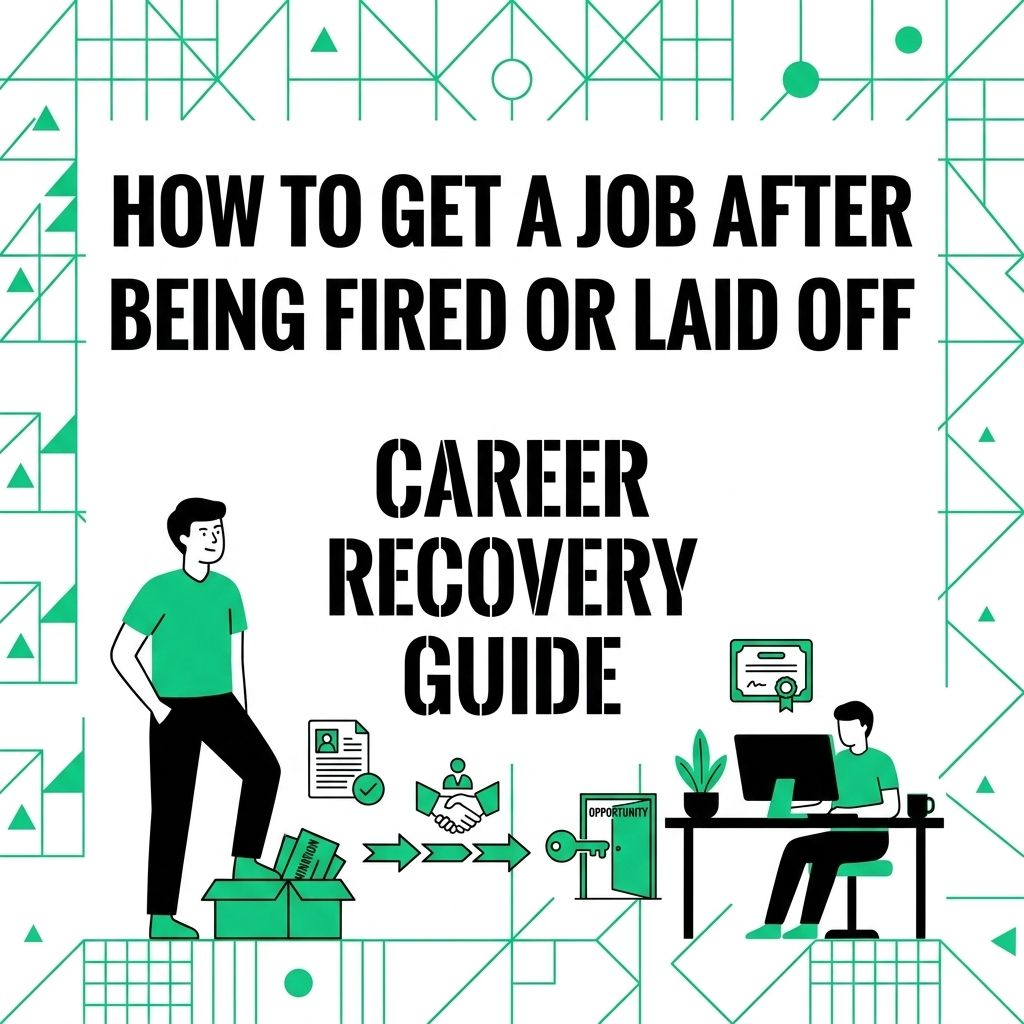
A job loss can make you want to apply everywhere at once. That reaction makes sense, but it can lead to rushed resumes, vague answers, and roles that do not fit.
Start with the basics. Stabilize your money, understand your exit details, and prepare a clear story before you start interviewing.
Secure Your Foundation Before the Search
Give yourself enough structure to make good decisions. CareerOneStop's guide on what to do after a layoff includes steps such as applying for unemployment benefits, finding help, and creating a job search plan.
- Input: HR paperwork, final pay details, benefits information, and your current budget.
- Output: A clearer financial runway and a calmer plan for the next few weeks.
Get the facts
Collect written details about final pay, severance if offered, paid time off, health coverage, and equipment return. Ask HR how the company will verify your employment if another employer calls.
Ask for useful feedback
If the relationship allows it, ask your former manager for a short, specific assessment. What worked well? What should you improve? Which strengths should you carry into the next role?
Use the answer as data, not a final judgment on your career.
Reframe the Story
Interviewers may ask why you left your last job. Prepare a short answer before that moment arrives.
Stay honest and calm. Do not blame, overexplain, or turn the interview into a story about the old company.
Run a Targeted Search
Do not treat every open job as equal. Aim for roles where your recent experience, skills, and story make sense.
Audit your assets
Update your resume with recent projects, tools, and results. Refresh your LinkedIn profile if you use it. Remove anything that distracts from the roles you want next.
Activate your network
Tell trusted contacts what happened in plain language. Then tell them what you are looking for.
- Identify five people who know your work.
- Send a short note with your target role or field.
- Ask whether they know anyone worth talking to.
- Offer to help them too, even if it is only with information.
Request informational interviews
Ask for a short conversation, not a job. Learn what teams are hiring for, which skills matter, and how people describe the work inside the field.
Manage the Emotional Toll
Job searching after a job loss can wear you down. Set work hours for the search, take breaks, and track small actions you can control.
The next role does not require you to pretend the last one never happened. It requires a clear story, a focused search, and steady follow-through.
For a related Working Nomads article, read the best remote job boards and how to use them next steps before you decide your next step.
What to Read Next
Read reasons you are not hearing back about jobs if you want a related next step on job search.
Use reasons why you are not hearing back about remote jobs next steps when you need more context before your next decision.
Publishing Articles or Documentation? Remove AI Slop.
Remove repetitive AI filler phrases, robotic patterns, and AI slop to make your content human, engaging, and original.
Applying for Growth Marketing & SEO Specialist Roles?
Boost your callback rate with our 100% free ATS-optimized resume template tailored specifically for remote Growth Marketing & SEO Specialist positions.
Remote Growth Marketing & SEO Specialist Resume Template
Built for performance marketers and organic search experts scaling visitor-to-customer acquisition funnels.
ATS Keyword Scanner
Check your resume against remote job descriptions to find missing keywords and boost your score.
Tailored Cover Letter
Generate a personalized, high-converting remote cover letter emphasizing async communication.