How to Become a Digital Nomad and Run a Business While Traveling
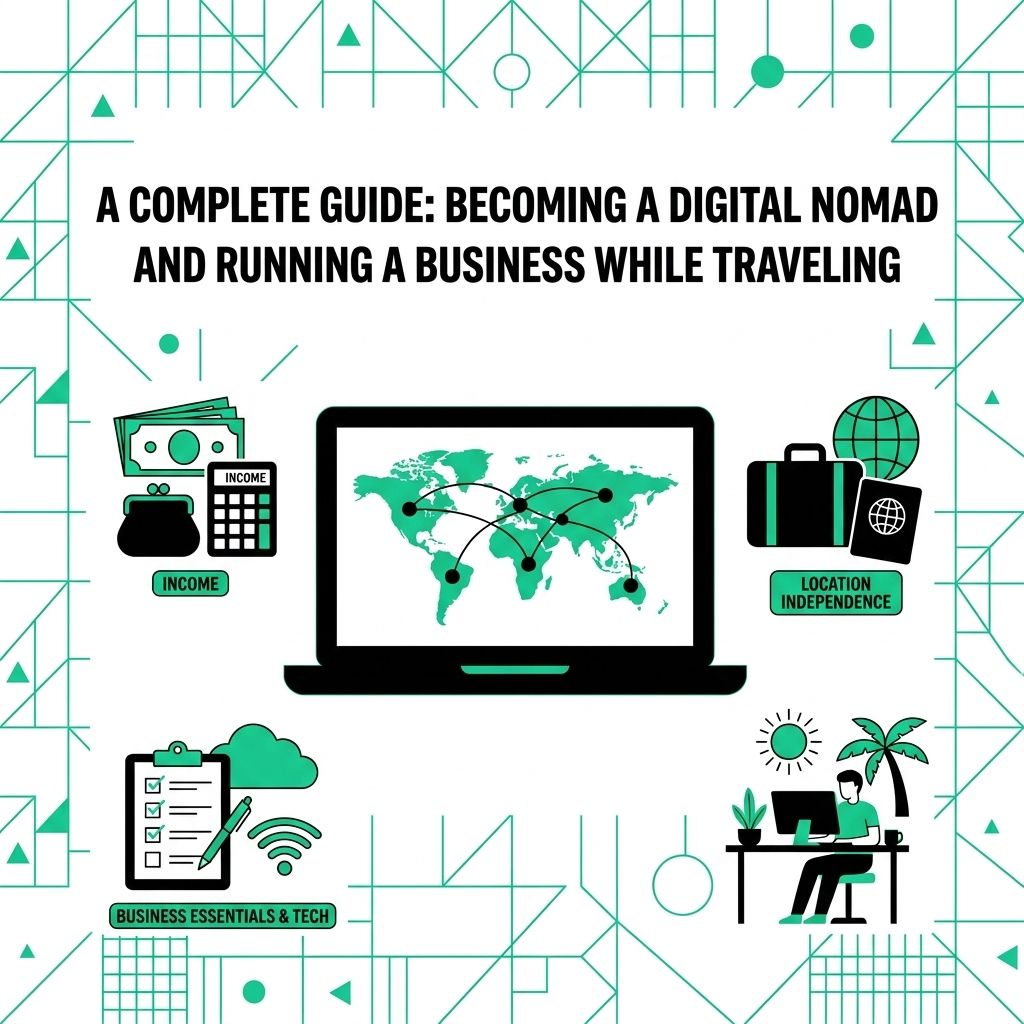
Digital nomad life sounds simple from the outside. Work online, move around, and choose cheaper places when you want more breathing room. Real life is less tidy. You still need clients or an employer, legal permission to stay where you are, tax awareness, health coverage, and a routine that holds up outside your normal home base.
For a related Working Nomads article, read how to ask for vacation days when you work remotely examples before you decide your next step.
This can work, but it needs planning before the first flight.
The beach laptop myth
The beach laptop image is mostly a fantasy. Sand, glare, bad Wi-Fi, heat, and client calls do not mix well. Most working nomads spend their real work hours in apartments, coworking spaces, quiet rooms, or cafes with reliable internet.
You do not need a huge company to start. You do need income that can survive travel days, time zones, payment delays, and slow months.
Build a location-flexible business
Before you build the travel plan, check the business model. Can you deliver the work fully online? Can clients pay you from anywhere? Can you handle support, sales, and admin without being in one city?
Digital delivery
Choose work that can be delivered online. Consulting, design, writing, software, coaching, marketing, bookkeeping, research, and digital products can all fit. Physical products can work too, but only if fulfillment does not depend on you being present.
Healthy margins
Travel adds costs even when rent is cheaper. Flights, visas, insurance, deposits, coworking, and backup gear add up. Pick work with enough margin to absorb delays and surprises.
Simple operations
Keep the business easy to run. Use simple invoicing, clear contracts, reliable file storage, and repeatable client onboarding. The less you need to improvise, the easier travel becomes.
Plan the legal and money basics
Digital nomad advice gets risky when it skips visas and taxes. For US travelers, USAGov explains how to check foreign visa requirements through the State Department on its visa requirements page. The IRS also notes that US citizens and resident aliens abroad generally still have US tax filing responsibilities on its international taxpayer page.
Step 1 set the monthly baseline
Calculate your real cost in each destination. Include rent, food, workspace, transport, insurance, phone data, visas, flights, and emergency money.
- Input: Selected target city.
- Output: A monthly budget that includes work and travel costs.
Step 2 save a buffer
Save enough to cover slow client payments, a medical issue, a cancelled booking, or an unexpected flight. Two months is a thin cushion. More is better if your income changes month to month.
- Input: Current salary and target budget.
- Output: A cash buffer you do not touch for normal spending.
Step 3 prove the income first
Test the business before you move. Land clients, ship the product, or get written remote-work approval before you depend on travel.
- Input: Your current skills and market research.
- Output: Active income that does not depend on one location.
Business model comparison
Choose the model that matches your skills, risk tolerance, and cash runway.
Make travel support the business
Do not make travel the whole plan. Make it the setting for work you can already do. Pick destinations that help you stay healthy, focused, connected, and legally allowed to work from there.
What to Read Next
Read best file hosting services for remote working teams if you want a related next step on remote work.
Use how to negotiate your remote work agreement examples when you need more context before your next decision.
Publishing Articles or Documentation? Remove AI Slop.
Remove repetitive AI filler phrases, robotic patterns, and AI slop to make your content human, engaging, and original.
Applying for Executive Virtual Assistant Roles?
Boost your callback rate with our 100% free ATS-optimized resume template tailored specifically for remote Executive Virtual Assistant positions.
Remote Executive Virtual Assistant Resume Template
Engineered for high-performing assistants managing executive inboxes, calendars across time zones, and confidential business ops.
ATS Keyword Scanner
Check your resume against remote job descriptions to find missing keywords and boost your score.
Tailored Cover Letter
Generate a personalized, high-converting remote cover letter emphasizing async communication.