Guide to Hiring Remote Employees
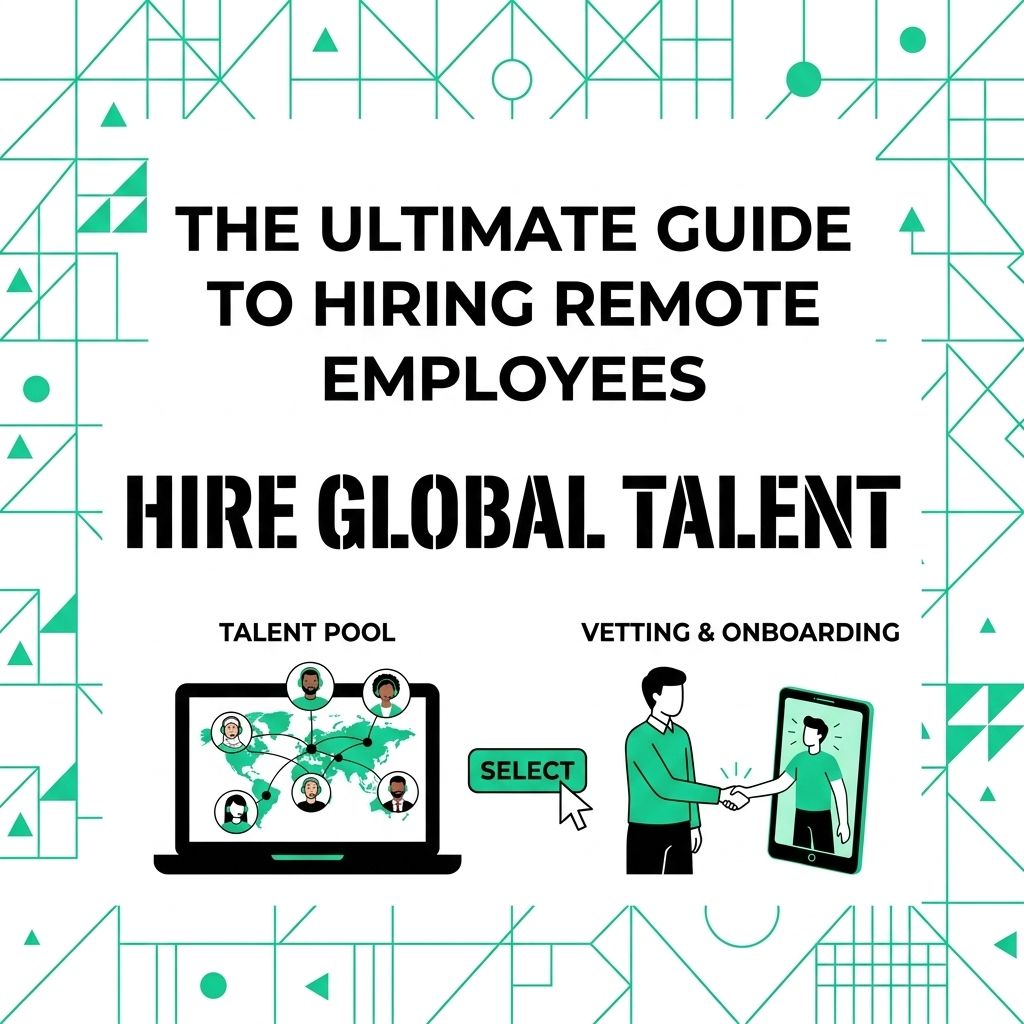
Hiring remote employees gives you access to more candidates, but it also raises the bar for clarity. The job post, interview process, skills test, offer, and onboarding plan all need to explain how the work will happen.
For a related Working Nomads article, read effective remote team management approaches tips before you decide your next step.
Remote hiring works best when you define the role before you start searching. A broad talent pool does not help if the company cannot explain what it needs.
Prepare the Role Before Posting
Write down the job outcomes, required skills, timezone needs, approved locations, tools, salary range, and remote policy.
SHRM's remote work resources include policy and HR materials around remote work conduct, compliance, and flexible work. Use that same mindset before hiring. The rules should be clear before candidates ask.
Source: SHRM remote work resources
- Define approved locations Confirm where the company can legally hire
- Set the salary range Avoid wasting time with mismatched expectations
- Explain remote norms Share meeting hours, async habits, and travel expectations
Source Candidates From the Right Places
Post on remote job boards, professional communities, referrals, and role-specific groups. Write the post for the candidate you actually want.
Avoid vague language like "rockstar" or "must be online all day." Strong remote candidates look for clear outcomes, trust, and practical expectations.
Screen for Remote Work Habits
Remote employees need communication, ownership, and follow-through. Screen for those skills early.
Ask how candidates give updates, handle unclear tasks, work across time zones, and manage focus. Look for specific examples, not just confidence.
Use Practical Assessments Carefully
A paid work sample can help you judge real skills. Keep it short and relevant to the role.
Tell candidates what you are testing, how long it should take, and whether they will be paid. Do not ask for free work that looks like production work.
Run Better Remote Interviews
Video interviews need structure. Ask the same core questions for each candidate so the comparison is fair.
Leave time for candidate questions. Strong candidates will ask about communication, manager support, onboarding, equipment, and how performance is measured.
Make the Offer and Onboarding Clear
The offer should include salary, benefits, equipment, work location, hours, travel, security rules, and any probation or trial period.
Start onboarding before day one. Ship equipment, set up accounts, share the schedule, and assign a buddy if possible.
Compare Office Hiring and Remote Hiring
| Hiring area | Office-first habit | Remote-first habit |
|---|---|---|
| Job post | Focus on office location | Explain location rules and remote norms |
| Screening | Judge presence in the room | Judge communication and ownership |
| Skills test | Use abstract exercises | Use a short paid work sample |
| Onboarding | Rely on shadowing | Use checklists, docs, and buddy support |
Remote hiring is easier when the process is specific. Define the role, test the right skills, and make the working agreement clear before the new hire starts.
What to Read Next
Read how to build social bonds in a remote team if you want a related next step on remote team planning.
Use why documentation culture matters for remote teams tips when you need more context before your next decision.
Publishing Articles or Documentation? Remove AI Slop.
Remove repetitive AI filler phrases, robotic patterns, and AI slop to make your content human, engaging, and original.
Applying for Executive Virtual Assistant Roles?
Boost your callback rate with our 100% free ATS-optimized resume template tailored specifically for remote Executive Virtual Assistant positions.
Remote Executive Virtual Assistant Resume Template
Engineered for high-performing assistants managing executive inboxes, calendars across time zones, and confidential business ops.
ATS Keyword Scanner
Check your resume against remote job descriptions to find missing keywords and boost your score.
Tailored Cover Letter
Generate a personalized, high-converting remote cover letter emphasizing async communication.