How to Build Social Bonds in a Remote Team
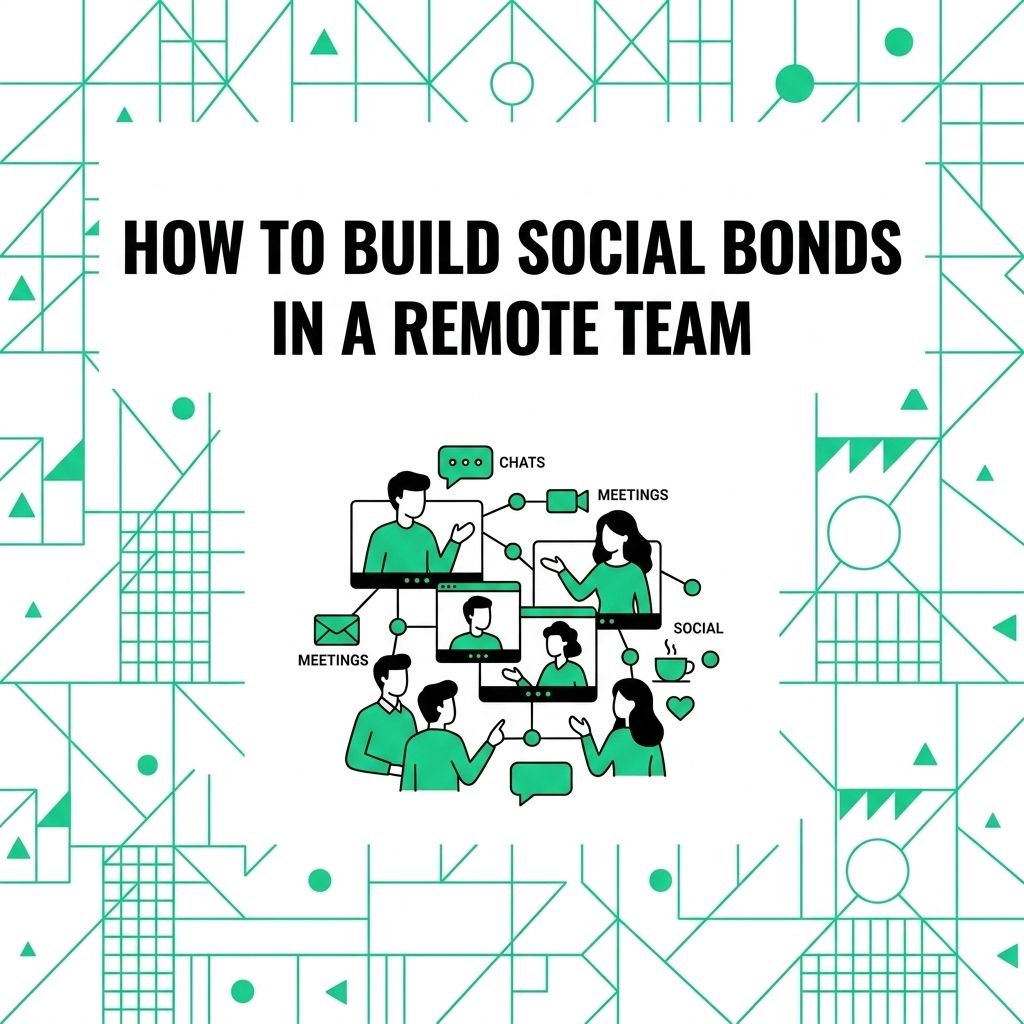
Remote teams can work well without pretending the office is still there. The goal is not forced fun. The goal is trust, familiarity, and enough human connection to make work easier.
For a related Working Nomads article, read effective remote team management approaches checklist before you decide your next step.
Social bonds grow from small, steady habits. People need chances to talk, ask for help, share context, and feel known beyond a task list.
Make Connection Part of the Work
Do not leave connection to chance. Add small moments to the team rhythm.
Use a few minutes at the start of a call, a weekly casual channel, or a short peer check-in. Keep it optional enough to feel natural, but consistent enough that people know it exists.
Protect Team Trust
Trust grows when people follow through. Remote managers build it by setting clear expectations, giving feedback, and making decisions visible.
Microsoft's Work Trend Index research on hybrid work discusses the need to rebuild social capital across teams. That idea applies directly to remote teams. Connection needs space in the way work is planned.
Source: Microsoft Work Trend Index on hybrid work
Create Better Informal Spaces
A social channel can help, but only if people actually want to use it. Avoid forcing everyone into games or personal sharing.
Try low-pressure prompts, interest-based channels, demo days, coffee chats, or small group conversations. Let people choose how much they participate.
Recognize People in Specific Ways
Generic praise fades fast. Specific recognition helps people feel seen.
Say what someone did and why it helped. Mention the customer issue they solved, the teammate they supported, or the messy project they made clearer.
Respect Boundaries
Remote connection should not become another demand on personal time. Respect time zones, focus blocks, family needs, and offline hours.
Use work hours for team connection when possible. Do not make after-hours social events the main way people become visible.
Compare Forced and Healthy Remote Connection
| Connection area | Forced habit | Healthier habit |
|---|---|---|
| Social time | Mandatory games after hours | Optional small moments during work |
| Recognition | Generic praise | Specific thanks tied to real work |
| Trust | Assume everyone is fine | Ask, listen, and follow through |
| Boundaries | Expect constant availability | Respect offline time |
Remote social bonds do not need to be loud. Give people steady chances to connect, and make trust part of how the team works.
What to Read Next
Read core values to build in your remote team if you want a related next step on remote team planning.
Use why documentation culture matters for remote teams checklist when you need more context before your next decision.
Publishing Articles or Documentation? Remove AI Slop.
Remove repetitive AI filler phrases, robotic patterns, and AI slop to make your content human, engaging, and original.
Applying for Growth Marketing & SEO Specialist Roles?
Boost your callback rate with our 100% free ATS-optimized resume template tailored specifically for remote Growth Marketing & SEO Specialist positions.
Remote Growth Marketing & SEO Specialist Resume Template
Built for performance marketers and organic search experts scaling visitor-to-customer acquisition funnels.
ATS Keyword Scanner
Check your resume against remote job descriptions to find missing keywords and boost your score.
Tailored Cover Letter
Generate a personalized, high-converting remote cover letter emphasizing async communication.