Guide to Asynchronous Remote Work
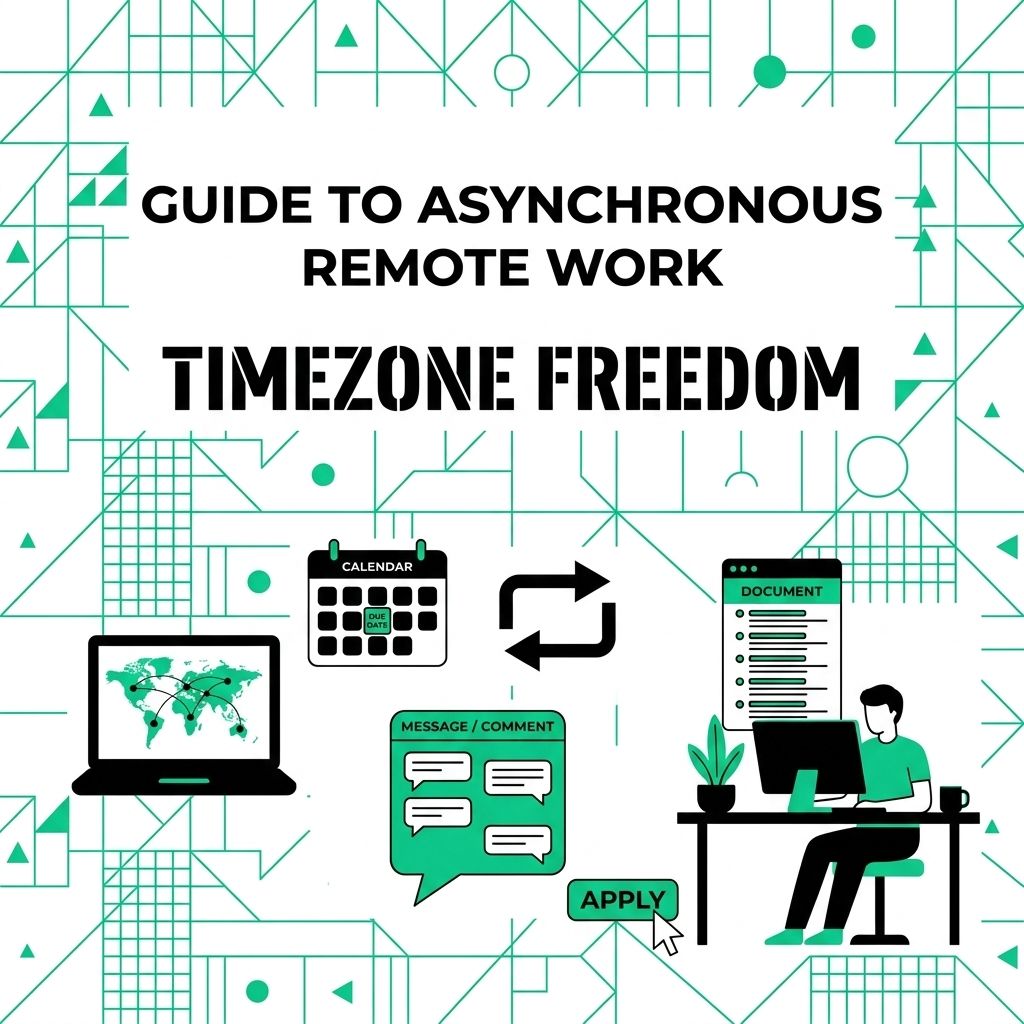
Asynchronous remote work means people do not need to be online at the same time to move work forward. It can give teams more focus and flexibility, but it only works with clear writing and clear expectations.
For a related Working Nomads article, read how to ask for vacation days when you work remotely article 1 57 before you decide your next step.
Async work is not silence. It is structured communication that lets people respond with context.
Define Async Remote Work
Microsoft defines asynchronous communication as the exchange of information at different times. In remote work, that means updates, decisions, and feedback can happen through docs, tickets, recordings, and messages instead of constant live meetings.
Source: Microsoft guide to asynchronous communication
Use the Right Tools
Tools should match the work. Chat is useful for quick updates. Project boards track tasks. Docs hold decisions. Recorded video can explain complex context without asking everyone to meet.
Do not use ten tools for one workflow. Pick a simple system and make sure everyone knows where information belongs.
- Use docs for context Put decisions and plans somewhere durable
- Use project boards for tasks Show owners, due dates, and status
- Use chat for quick notes Keep casual updates out of long documents
Set Response Time Rules
Async teams need clear response expectations. Tell people what needs a same-day reply and what can wait.
Use urgent channels carefully. If everything is urgent, nothing is.
Write Better Updates
An async update should answer the next person's likely questions.
Say what changed, what is blocked, what decision is needed, and what happens next. Add links instead of making people search.
Keep Some Live Time
Async remote work does not remove every meeting. Use live time for conflict, trust, planning decisions, and complex tradeoffs.
Send written context before the call. Then use the meeting for the part that truly needs conversation.
Compare Synchronous and Asynchronous Work
| Work area | Synchronous habit | Async habit |
|---|---|---|
| Updates | Meet for every status change | Write clear updates |
| Decisions | Leave context in calls | Save final decisions in docs |
| Time zones | Expect everyone online together | Let people respond during their workday |
| Productivity | Measure presence | Measure output and follow-through |
Asynchronous remote work gives people room to think. Set norms, write clearly, and use live meetings only when they add real value.
What to Read Next
Read choose the right place to live as a remote worker if you want a related next step on remote work.
Use how to negotiate your remote work agreement checklist for work when you need more context before your next decision.
Publishing Articles or Documentation? Remove AI Slop.
Remove repetitive AI filler phrases, robotic patterns, and AI slop to make your content human, engaging, and original.
Applying for Growth Marketing & SEO Specialist Roles?
Boost your callback rate with our 100% free ATS-optimized resume template tailored specifically for remote Growth Marketing & SEO Specialist positions.
Remote Growth Marketing & SEO Specialist Resume Template
Built for performance marketers and organic search experts scaling visitor-to-customer acquisition funnels.
ATS Keyword Scanner
Check your resume against remote job descriptions to find missing keywords and boost your score.
Tailored Cover Letter
Generate a personalized, high-converting remote cover letter emphasizing async communication.