Why Find Better Opportunities and Leave Bad Jobs
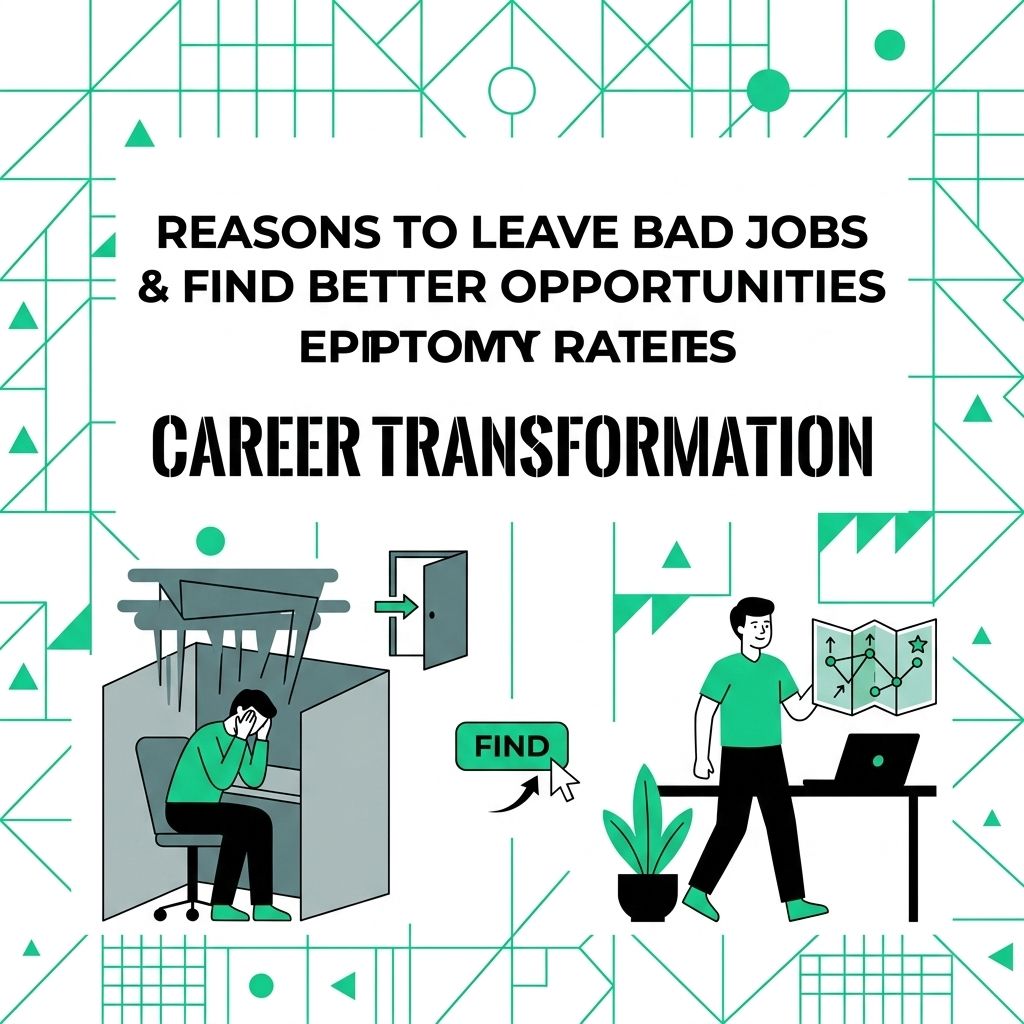
A bad job can drain your energy faster than you expect. You may tell yourself to wait it out because the company is in a merger, your team is short-staffed, or your manager keeps saying things will settle soon. Sometimes that is true. Often, the better move is to leave cleanly and look for work that gives you room to do your job well.
Treat your exit like a business handoff. Keep the tone calm, protect your reputation, and leave with the contacts and records you may need later. The goal is not to win one last argument. The goal is to move toward better work without creating new problems for yourself.
The professional exit plan
A clean exit starts before you send the resignation email. Check your offer letter, employee handbook, local rules, and any agreement you signed. The National Conference of State Legislatures explains at-will employment as a common US rule where an employee can leave a job at any time, but contracts and state-specific rules can still matter.
Once you know what applies to you, use a simple process that protects your time and keeps the handoff organized.
Step one set the final day
Give notice in writing after your next job, savings plan, or exit timeline is solid. Two weeks is a common professional courtesy in many roles, but it is not a universal legal rule. Some employers may ask you to leave sooner, so avoid giving notice until you can handle that outcome.
- Input: A short resignation note sent to your direct manager.
- Output: A clear final day and a basic transition plan for open work.
Step two save the right contacts
Ask trusted coworkers, managers, vendors, or clients if you can stay connected through LinkedIn or personal email. Do this before you lose access to internal systems. Avoid exporting company contact lists unless your employer allows it.
- Input: Direct requests to people you want in your professional network.
- Output: A private list of contacts for references, referrals, and future roles.
Step three keep the exit interview factual
Use the exit interview to share useful facts, not anger. Talk about missed deadlines, unclear ownership, poor staffing, broken review steps, or management patterns you personally saw. Skip insults, guesses, and gossip.
- Input: Clear examples tied to work, process, or communication.
- Output: A final record that sounds fair, specific, and professional.
Emotional exits and strategic exits
Bad jobs can make anyone want to disappear, but a rushed exit can cost you references, income, or useful contacts. A measured exit gives you more control. What would future-you wish you had handled before access shut off?
| Action | Emotional Exit | Strategic Exit |
|---|---|---|
| **Notice** | Quit on impulse with no plan. | Give notice when your next step is ready. |
| **Exit interview** | Vent about people and old arguments. | Share facts about work barriers and patterns. |
| **Contacts** | Leave without saving professional connections. | Ask key people to stay connected outside company systems. |
| **Files** | Take files you should not keep. | Save only personal records you are allowed to keep. |
Use your network after you leave
Your network matters more after a hard job than during an easy one. Reach out to people who saw your work clearly. Ask for a reference, a short LinkedIn note, or a quick call about roles they hear about.
Keep the message simple. Tell them what kind of role you want next, what you did well in your last job, and how they can help. A bad job can be a rough chapter, but it does not need to define the next one.
For a related Working Nomads article, read why your attitude dictates your career trajectory guide before you decide your next step.
What to Read Next
Read sit stand desks and better workday movement if you want a related next step on career growth.
Use how to demonstrate added value as a remote employee tips when you need more context before your next decision.
Publishing Articles or Documentation? Remove AI Slop.
Remove repetitive AI filler phrases, robotic patterns, and AI slop to make your content human, engaging, and original.
Applying for Growth Marketing & SEO Specialist Roles?
Boost your callback rate with our 100% free ATS-optimized resume template tailored specifically for remote Growth Marketing & SEO Specialist positions.
Remote Growth Marketing & SEO Specialist Resume Template
Built for performance marketers and organic search experts scaling visitor-to-customer acquisition funnels.
ATS Keyword Scanner
Check your resume against remote job descriptions to find missing keywords and boost your score.
Tailored Cover Letter
Generate a personalized, high-converting remote cover letter emphasizing async communication.