Online Job Hunting When You Are Over 40
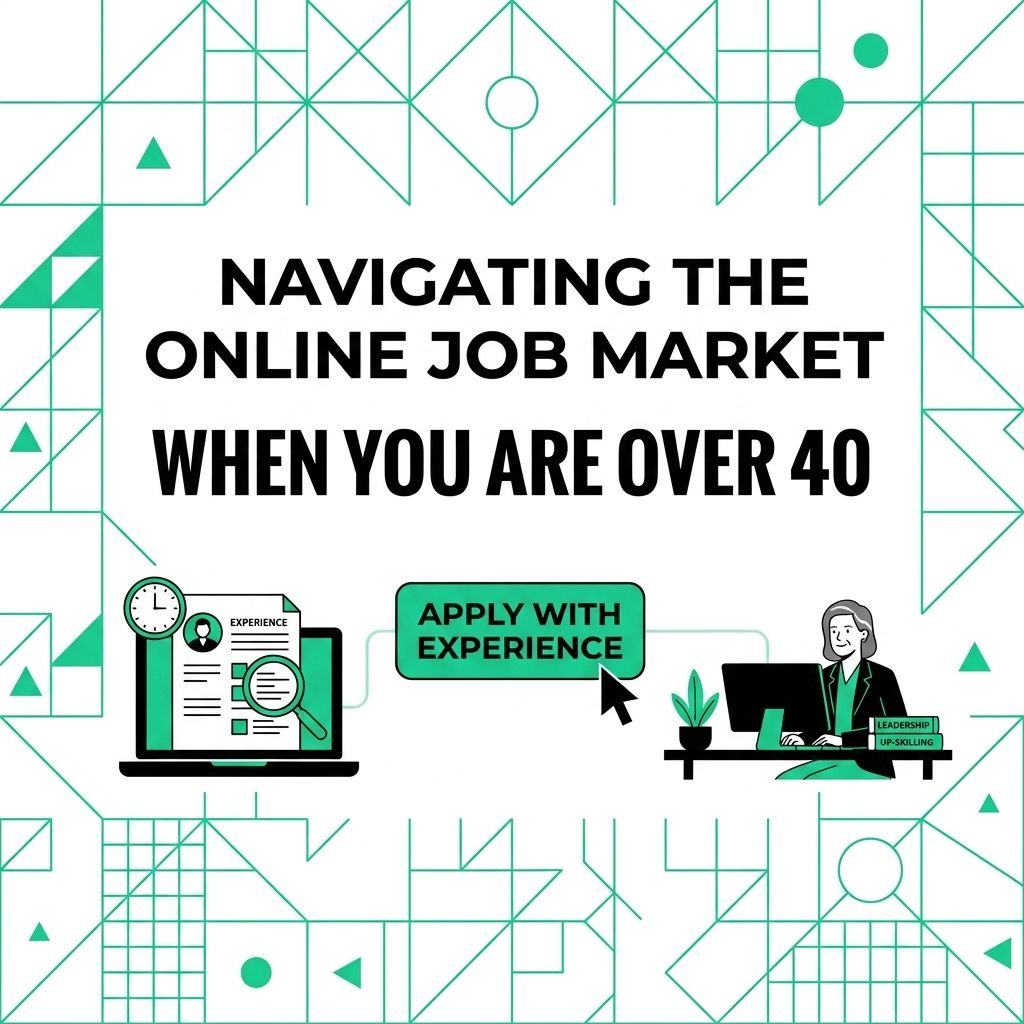
Online job hunting can feel noisy if your early career started with paper resumes, newspaper ads, or direct introductions. Now every platform asks for a profile, every job has filters, and every search result claims to be urgent.
The FTC warns that job scammers advertise on job sites, social media, online ads, and other channels. That warning matters for every age group. If you are returning to the market after years in one role, slow down and verify before you share sensitive information.
You do not need to become a tech expert. You need a safe, repeatable system.
Start With Established Platforms
Search engines can send you into a mess of duplicate listings, expired posts, and low-quality sites. Start with known job platforms and direct employer career pages.
Input: A clean browser and a clear target role.
Output: A smaller set of job sources you trust.
- Skip random search results. Go directly to platforms like LinkedIn, Indeed, Monster, or company career pages.
- Build one strong base profile. Avoid spreading your personal information across every site you find.
- Set alerts. Use job title, location, remote status, and salary filters so the platform sends matches to you.
| Approach | Result |
|---|---|
| Search “jobs near me” and click everything | More noise, duplicates, and scam risk |
| Use trusted platforms and employer pages | Cleaner applications and easier verification |
Protect Your Identity
Treat your personal information like money. A real employer does not need your bank details or Social Security number during a first application.
Input: A job posting or recruiter message.
Output: A quick legitimacy check before you continue.
- Watch for early personal-data requests. Be cautious if a listing asks for sensitive details too soon.
- Check the employer site. Look for the same role on the company’s official careers page.
- Verify the recruiter. Check the email domain and LinkedIn profile before replying with documents.
Avoid Fake Interview Traps
Scammers use urgency because it stops people from thinking. A real employer should be willing to answer basic questions about the role, company, and process.
Input: An interview invitation.
Output: A safer meeting decision.
- Verify the location. Match any office address against the employer’s official website.
- Ask for video first. A short video screen is normal for many roles and safer than an unknown location.
- Research the interviewer. Check whether the person appears connected to the company.
Your experience is an advantage. Use it. Be patient, verify the source, and apply through channels that make sense.
For a related Working Nomads article, read reasons why you are not hearing back about remote jobs for hiring teams before you decide your next step.
What to Read Next
Read virtual income options for the unemployed worker if you want a related next step on job search.
Use how to respond to a job offer examples when you need more context before your next decision.
Publishing Articles or Documentation? Remove AI Slop.
Remove repetitive AI filler phrases, robotic patterns, and AI slop to make your content human, engaging, and original.
Applying for Senior Backend Engineer Roles?
Boost your callback rate with our 100% free ATS-optimized resume template tailored specifically for remote Senior Backend Engineer positions.
Remote Backend Engineer Resume Template
Focused on API throughput, database scaling, data modeling, and fault tolerance for distributed systems.
ATS Keyword Scanner
Check your resume against remote job descriptions to find missing keywords and boost your score.
Tailored Cover Letter
Generate a personalized, high-converting remote cover letter emphasizing async communication.