How to Negotiate Salary
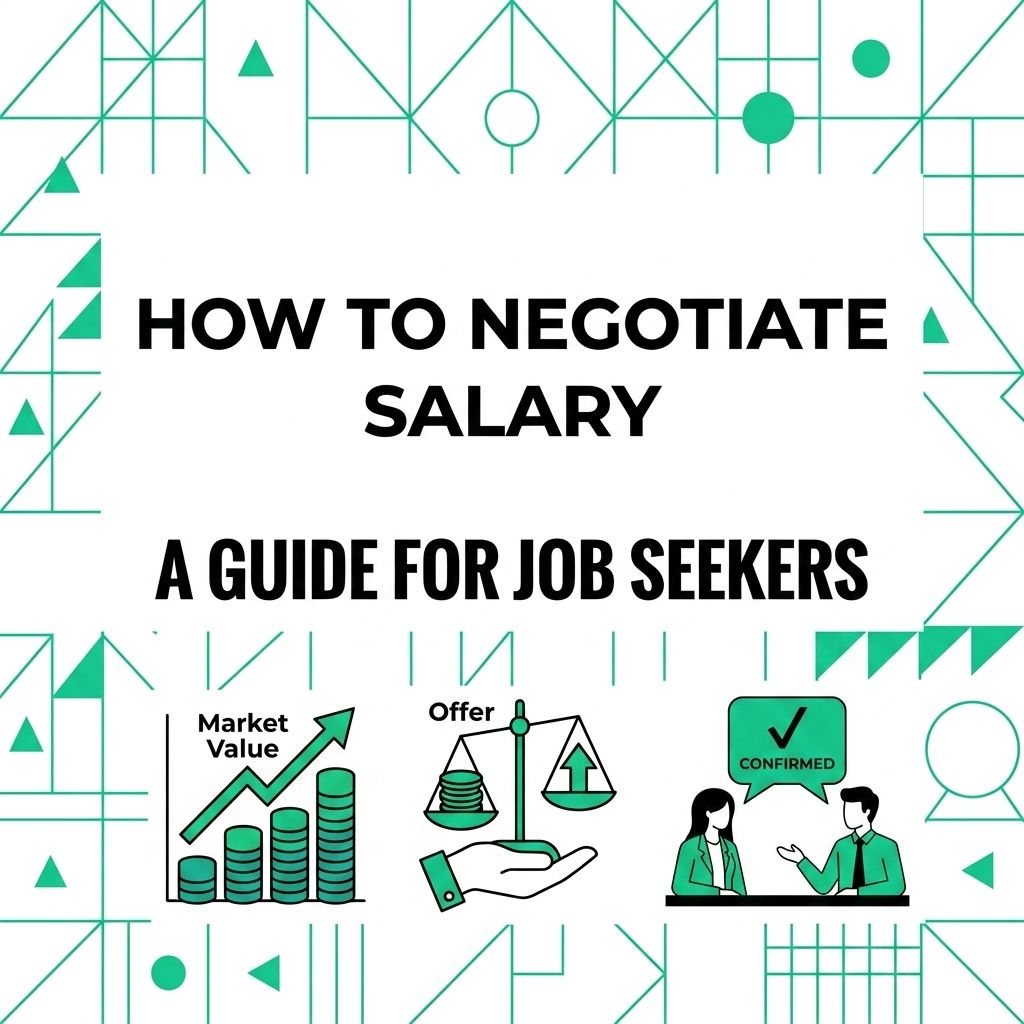
The real cost of silence
A job offer can feel fragile, especially when you really want the role. That pressure makes many people accept the first number before they review the full package. Sometimes the offer is fair. Sometimes there is room to ask.
For a related Working Nomads article, read the best remote job boards and how to use them tips before you decide your next step.
Salary negotiation works best when you treat it like a clear business conversation. Use facts, know your minimum, and ask in a way that keeps the relationship respectful.
Compare your approach
Look at the difference between a rushed answer and a prepared response.
| Reactive Approach | Strategic Negotiation |
|---|---|
| Accepts the first number immediately. | Pauses to review the entire compensation package. |
| Pleads for more money based on personal bills. | Presents market data and measurable past performance. |
| Names a number before the role is clear. | Waits until the scope, level, and package are clear. |
Build your negotiation plan
CareerOneStop, sponsored by the US Department of Labor, recommends checking salary data and weighing the full offer before you negotiate on its salary negotiation page. Use that same practical approach here.
1. Delay your number when you can
Recruiters may ask for salary expectations early. If you give a number before you understand the role, you may aim too low or too high. A better answer is simple: you want to understand the full scope before discussing exact pay.
- Input: The recruiter asks for your salary expectations.
- Output: You ask to learn more about the role, level, and full package first.
2. Use market data
Do not base your counteroffer on rent, debt, or what you wish the job paid. Use role, location, experience, and scope. The BLS Occupational Employment and Wage Statistics program publishes wage estimates by occupation and area, which can help you set a realistic range.
- Input: The initial offer from the employer.
- Output: A counteroffer tied to salary data and your strongest work results.
3. Review the whole package
Base pay matters, but it is not the only number. Look at bonus plans, health insurance, retirement match, paid time off, remote work, commute cost, equity, schedule flexibility, and growth path.
- Input: A written offer letter.
- Output: A clear view of base pay, benefits, time off, bonus terms, and tradeoffs.
4. Send the counteroffer
Keep the message short. Thank them, restate your interest, give your request, and explain the reason in one or two lines. Do not apologize for asking.
- Input: Your prepared market data and minimum acceptable salary.
- Output: A clear counteroffer that leaves room for a normal conversation.
A simple negotiation script
Use this structure when you respond.
- Say thank you: Start with appreciation for the offer.
- Restate interest: Make it clear you still want the role.
- Name the request: Give the salary or range you want.
- Support it: Mention market data, scope, or a relevant achievement.
- Stay flexible: Ask whether they can adjust base pay or another part of the package.
Take control of the conversation
Negotiation does not need to sound tense. Ask clearly, use facts, and know when the full package is good enough for you. The goal is not to “win” the conversation. The goal is to accept a role with terms you understand and can live with.
What to Read Next
Read what does a competitive salary mean if you want a related next step on pay and benefits.
Use reasons why you are not hearing back about remote jobs tips when you need more context before your next decision.
Publishing Articles or Documentation? Remove AI Slop.
Remove repetitive AI filler phrases, robotic patterns, and AI slop to make your content human, engaging, and original.
Applying for Growth Marketing & SEO Specialist Roles?
Boost your callback rate with our 100% free ATS-optimized resume template tailored specifically for remote Growth Marketing & SEO Specialist positions.
Remote Growth Marketing & SEO Specialist Resume Template
Built for performance marketers and organic search experts scaling visitor-to-customer acquisition funnels.
ATS Keyword Scanner
Check your resume against remote job descriptions to find missing keywords and boost your score.
Tailored Cover Letter
Generate a personalized, high-converting remote cover letter emphasizing async communication.