How to Explain a Gap Year on Your Resume
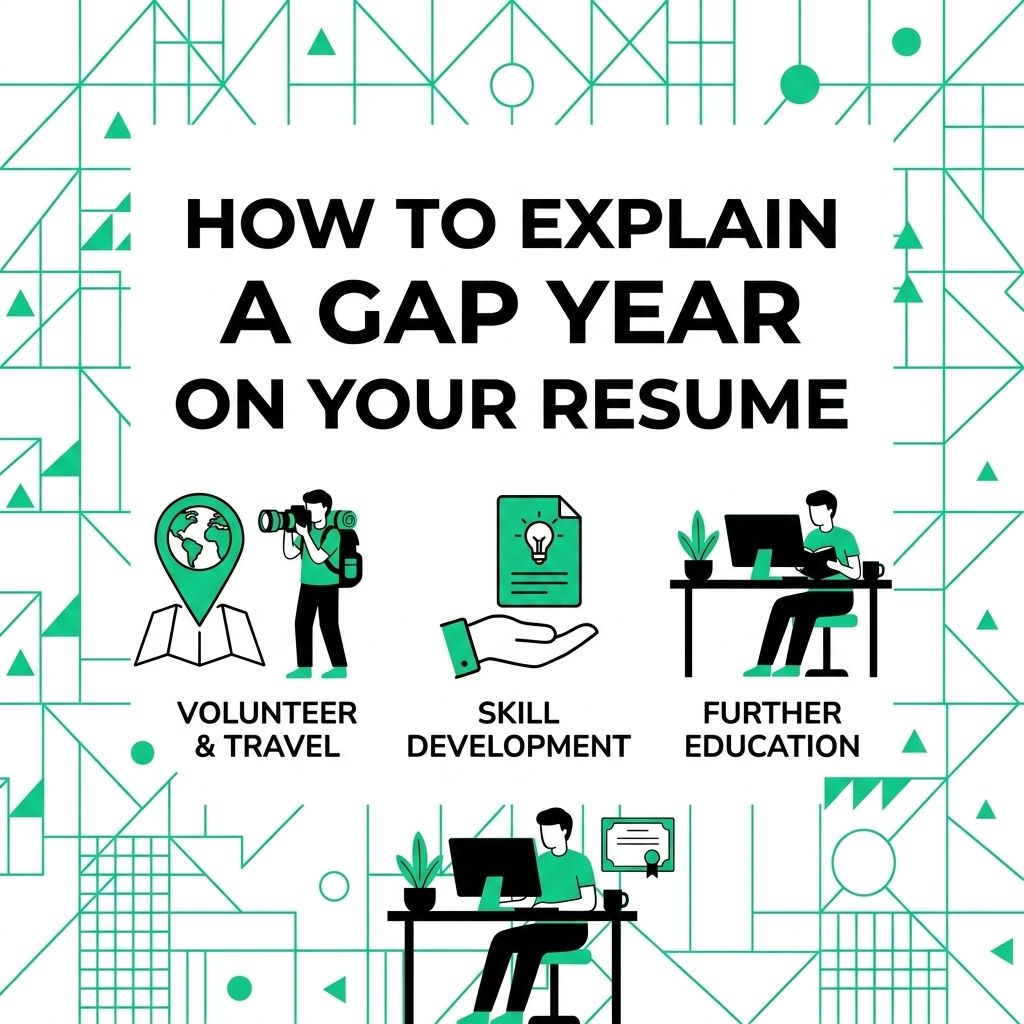
A gap year does not have to weaken your resume. It does need a clear explanation if the gap is long enough to raise questions.
The goal is not to oversell the time away. The goal is to show what you did, what you learned, and why you are ready for the role now.
Choose the Right Resume Format
A strict timeline can make a gap stand out more than it needs to. A hybrid resume can help by putting relevant skills and achievements near the top, then showing work history clearly below.
CareerOneStop's resume guide says employers commonly understand gaps for reasons such as education, skill building, caregiving, travel, or unemployment. Its special resume tips also recommends being honest and focusing on relevant skills.
List the Gap When It Adds Value
You do not need to explain every private detail on a resume. Still, list the gap when you did work, training, volunteering, caregiving, travel planning, or projects that connect to the role.
Use a clear title and honest dates.
Input: Managed travel plans and a budget across several countries.
Output: Planned long-term travel logistics, managed a fixed budget, and coordinated housing and transportation across multiple locations.
Useful titles for gap years
Choose a title that matches what you actually did.
- Volunteer Tutor: Supported adult learners with English practice and lesson materials.
- Freelance Writer: Wrote travel articles, edited drafts, and pitched digital publications.
- Family Caregiver: Managed appointments, schedules, and household logistics during a family-care period.
- Independent Study: Completed coursework, certifications, or portfolio projects tied to the next career step.
Highlight Specific Accomplishments
Pull out skills that connect to the job posting. Keep them grounded in real actions.
- Budget management: Planned expenses, tracked costs, or managed household or project spending.
- Problem solving: Handled unexpected delays, schedule changes, or logistics issues.
- Communication: Worked with people across teams, cultures, clients, or service providers.
- Self-direction: Completed a course, project, portfolio, or volunteer commitment without daily supervision.
Use the Summary Section Carefully
Your resume summary can make the gap feel like part of the story instead of a mystery. Keep it brief.
Example summary: "Project coordinator with experience in vendor communication, scheduling, and budget tracking. Recently completed a structured career break focused on caregiving and professional coursework. Seeking a coordinator role that uses strong organization and communication skills."
A gap year is one part of your work story. Explain it honestly, connect it to useful skills when you can, and keep the focus on the role you want next.
For a related Working Nomads article, read references on your remote resume and when to share them common mistakes before you decide your next step.
What to Read Next
Read best paper for a printed resume if you want a related next step on resume writing.
Use why a one-page remote resume usually works best common mistakes when you need more context before your next decision.
Publishing Articles or Documentation? Remove AI Slop.
Remove repetitive AI filler phrases, robotic patterns, and AI slop to make your content human, engaging, and original.
Applying for Executive Virtual Assistant Roles?
Boost your callback rate with our 100% free ATS-optimized resume template tailored specifically for remote Executive Virtual Assistant positions.
Remote Executive Virtual Assistant Resume Template
Engineered for high-performing assistants managing executive inboxes, calendars across time zones, and confidential business ops.
ATS Keyword Scanner
Check your resume against remote job descriptions to find missing keywords and boost your score.
Tailored Cover Letter
Generate a personalized, high-converting remote cover letter emphasizing async communication.